

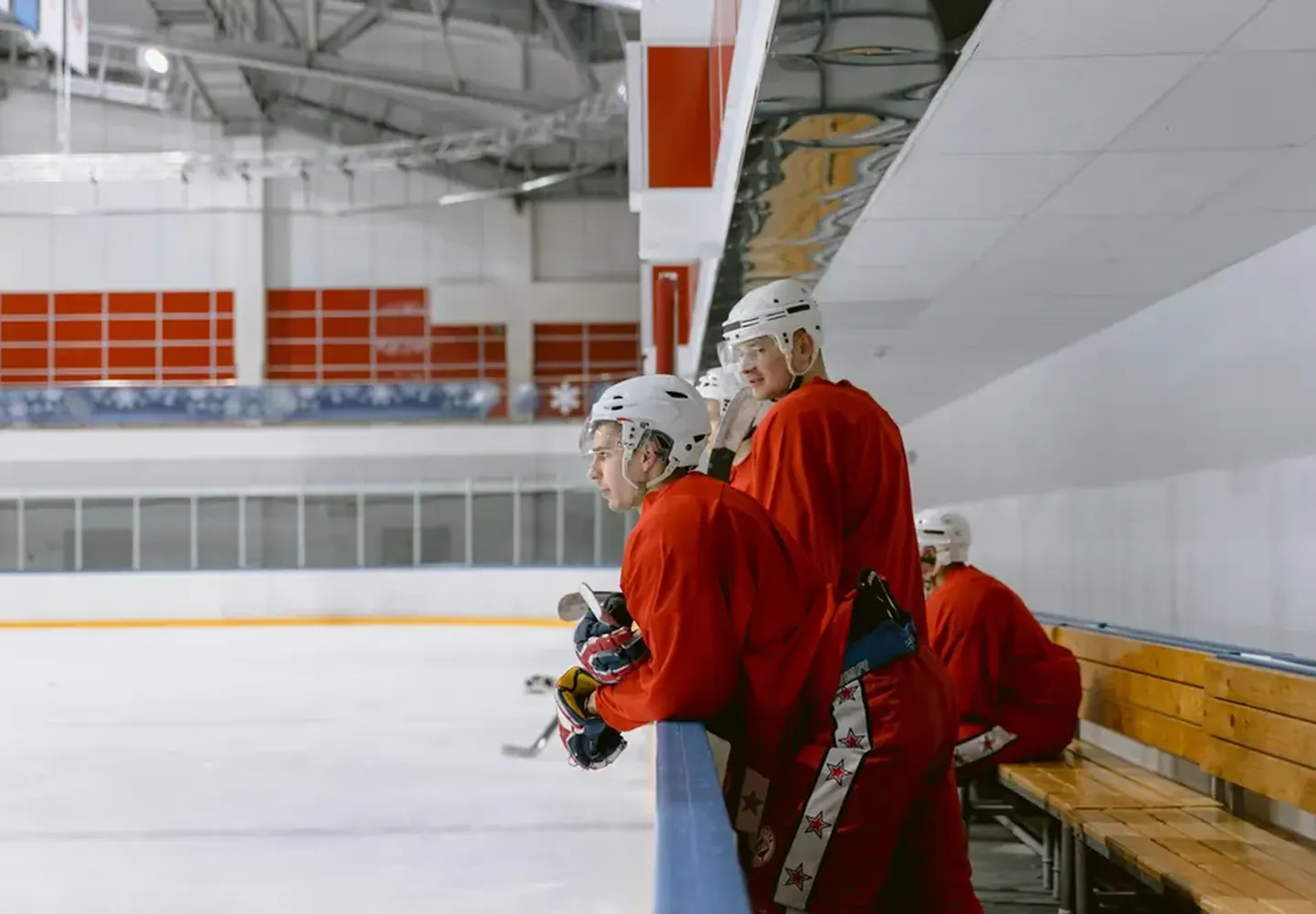
If you've been following the Flames this season, you've probably heard commentators throw around terms like "1-3-1" or "neutral zone trap." It can sound like a secret code! This glossary breaks down the key defensive systems and tactical jargon you need to understand how Ryan Huska's squad is trying to shut down opponents and create turnovers. Let's decode the strategy.
1-3-1 Neutral Zone Trap
This is a structured defensive system designed to clog the neutral zone. One forechecker pressures the puck carrier, three players form a wall across the middle of the ice, and one defender stays back. The Flames use this to force turnovers at the red line and create counter-attack chances for players like Jonathan Huberdeau.1-2-2 Neutral Zone Trap (The "Red")
A slightly more aggressive variation than the 1-3-1. It uses one forechecker, two players patrolling the neutral zone, and two defenders holding the blue line. This system aims to create pressure earlier and can be effective for a team looking to activate its defense in the transition game.Conservative Forecheck
A strategic approach where the forechecking team does not aggressively chase the puck deep in the offensive zone. Instead, they prioritize maintaining a strong defensive structure, often falling back into a 1-2-2 or 1-3-1 setup to avoid giving up odd-man rushes against.The Trap
A general term for any defensive system focused on denying zone entries through the neutral zone. The goal is to force the attacking team to make a risky pass that can be intercepted or to dump the puck in, where the defensive team can then retrieve it and start their own breakout.Neutral Zone Lock
Similar to a trap, this is a strategy where all five skaters focus on defending the center of the ice. It effectively "locks" down the space between the blue lines, making it extremely difficult for opponents to carry the puck into the offensive zone with control.Forechecker
The first forward who pressures the opposing puck carrier, typically in the defensive or neutral zone. In Flames systems, this is often a speedy, tenacious player like Connor Zary, whose job is to disrupt the initial breakout pass.F1, F2, F3
A shorthand for the first, second, and third forwards into the forecheck. F1 pressures the puck, F2 supports and cuts off passing lanes, and F3 stays high for defensive coverage. Their roles are the foundation of any forechecking system.Dump and Chase
An offensive tactic used against a strong neutral zone trap. Instead of trying to skate through the defensive wall, an attacking player dumps the puck into a corner and chases after it. Beating the trap requires winning the ensuing puck battle.Line Change Trap
A strategic move where a team executes a trap immediately after completing a line change. This catches the opponent with tired players on the ice facing a fresh, structured defensive unit, increasing the chance of a turnover.Stretch Pass
A long breakout pass from a team's own zone, intended to bypass the neutral zone trap entirely. It requires a skilled passer (like a defenseman) and a forward with speed breaking behind the trap. Success depends on perfect timing and execution.Weak-Side Lock
A defensive coverage where a player, often a winger, stays on the side of the ice away from the puck (the weak side). Their job is to protect against a cross-ice pass that could break the trap and create a high-danger scoring chance.Active Stick
A fundamental defensive technique. Players use their sticks to block passing lanes, poke check puck carriers, and disrupt plays without taking penalties. It's a critical skill for any player executing a neutral zone system effectively.Gap Control
The distance a defender maintains between themselves and an attacking puck carrier. Good gap control in the neutral zone prevents the attacker from gaining speed and forces them to make a decision before they can enter the offensive zone with momentum.Turnover
When possession of the puck changes from one team to the other, not as a result of a shot on goal. The primary objective of any trap system is to create a neutral zone turnover that can be quickly converted into an offensive chance the other way.Counter-Attack
The fast offensive rush that immediately follows a defensive turnover. The Flames' trap systems are designed to create these opportunities, hoping to catch the opposing team in a vulnerable state as they transition from offense to defense.The "C of Red"
The Flames' passionate home fans at the Scotiabank Saddledome. A loud, engaged crowd can be a tangible advantage, especially when the team is executing a patient trap, as the energy can rattle opponents and force them into mistakes.System Buy-In
A phrase describing when all players on a team fully commit to and consistently execute the coach's tactical plan. For the Flames' trap to work, from Nazem Kadri to the fourth line, every player must trust and follow the system.Puck Retrieval
The act of winning possession of the puck after it has been dumped into the zone. Strong puck retrieval by defensemen is crucial when the other team uses a dump-and-chase to try and beat the Flames' neutral zone setup.Defensive Zone Coverage
While the trap focuses on the neutral zone, solid coverage in the defensive zone is the final backstop. This refers to how players position themselves to protect the front of the net and support their goaltender, Jacob Markström.Transition Game
The critical phase of play when a team moves from defense to offense, or vice-versa. The effectiveness of the Flames' neutral zone trap is directly tied to how well they transition from a defensive turnover to an offensive attack.Video Analysis
A key part of modern coaching. Between games, the Flames' coaching staff will break down video to study their own trap execution and to analyze opponents' tendencies, finding weaknesses to exploit in the next matchup.System Adjustment
A change made to the tactical game plan, either between periods or from game to game. Head coach Huska and GM Conroy's hockey operations team might adjust the forecheck pressure or trap alignment based on the opponent, such as in a crucial Battle of Alberta game.Puck Support
The positioning of players without the puck to give the puck carrier safe passing options. Good puck support is essential for breaking out of the defensive zone against an opponent's trap and for maintaining possession after causing a turnover.Clogging the Neutral Zone
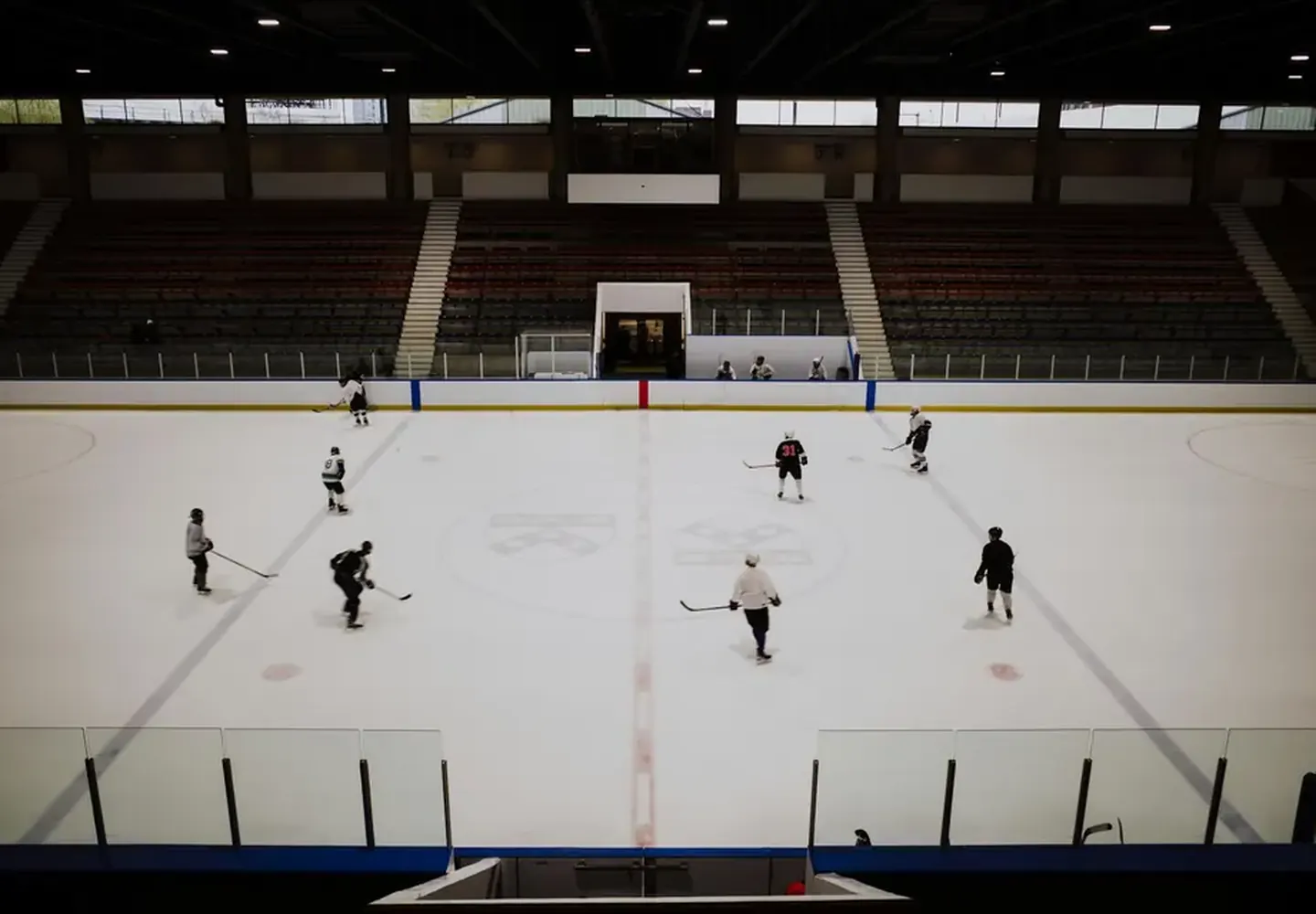
The visual result of a successful trap. When five players work in unison, they fill the passing and skating lanes in the center of the ice, making it look "clogged" and leaving the attacking team with no clear path forward.Understanding these terms gives you a clearer picture of the chess match happening on the ice. The Flames' deployment of these neutral zone systems under Ryan Huska is a defining aspect of their identity in the Western Conference this season. It’s a strategy built on patience, structure, and the collective buy-in of the entire roster, aiming to turn strong defense into timely offense.
{"@type":"DefinedTermSet","name":"Flames Neutral Zone Trap & Forecheck Systems Glossary","hasDefinedTerm":[{"@type":"DefinedTerm","name":"1-3-1 Neutral Zone Trap","description":"A structured defensive system with one forechecker, three players across the neutral zone, and one defender back, used to force turnovers and create counter-attacks."},{"@type":"DefinedTerm","name":"1-2-2 Neutral Zone Trap (The 'Red')","description":"A more aggressive trap variation with one forechecker, two in the neutral zone, and two at the blue line, designed to create earlier pressure."},{"@type":"DefinedTerm","name":"Conservative Forecheck","description":"A forechecking strategy that prioritizes defensive structure over aggressive puck pursuit, often dropping back into a trap."},{"@type":"DefinedTerm","name":"The Trap","description":"A general term for defensive systems focused on denying controlled zone entries through the neutral zone."},{"@type":"DefinedTerm","name":"Neutral Zone Lock","description":"A strategy where all five skaters focus on defending the center ice area, 'locking' it down to prevent offensive entry."},{"@type":"DefinedTerm","name":"Forechecker","description":"The first forward who pressures the opposing puck carrier to disrupt the breakout."},{"@type":"DefinedTerm","name":"F1, F2, F3","description":"Shorthand for the first, second, and third forwards into the forecheck, defining their pressure and support roles."},{"@type":"DefinedTerm","name":"Dump and Chase","description":"An offensive tactic to counter a trap, involving shooting the puck into a corner and chasing it to regain possession."},{"@type":"DefinedTerm","name":"Line Change Trap","description":"Executing a trap immediately after a line change to exploit tired opponents with a fresh defensive unit."},{"@type":"DefinedTerm","name":"Stretch Pass","description":"A long breakout pass intended to bypass the neutral zone trap entirely, requiring precise timing and speed."},{"@type":"DefinedTerm","name":"Weak-Side Lock","description":"Defensive coverage where a player stays on the side of the ice away from the puck to protect against cross-ice passes."},{"@type":"DefinedTerm","name":"Active Stick","description":"A defensive technique using the stick to block lanes and poke check without taking penalties."},{"@type":"DefinedTerm","name":"Gap Control","description":"The distance a defender maintains from an attacker to deny speed and space through the neutral zone."},{"@type":"DefinedTerm","name":"Turnover","description":"A change of puck possession not from a shot, the primary goal of trap systems."},{"@type":"DefinedTerm","name":"Counter-Attack","description":"The fast offensive rush following a defensive turnover, aiming to catch the opponent in transition."},{"@type":"DefinedTerm","name":"System Buy-In","description":"The full commitment of all players to consistently execute the coach's tactical game plan."},{"@type":"DefinedTerm","name":"Puck Retrieval","description":"Winning possession after a puck is dumped into the zone, crucial against dump-and-chase tactics."},{"@type":"DefinedTerm","name":"Defensive Zone Coverage","description":"The positioning of players in their own zone to protect the net and support the goaltender."},{"@type":"DefinedTerm","name":"Transition Game","description":"The phase of play when a team moves from defense to offense or offense to defense."},{"@type":"DefinedTerm","name":"Video Analysis","description":"The breakdown of game film to study tactical execution and opponent tendencies."},{"@type":"DefinedTerm","name":"System Adjustment","description":"A change to the tactical game plan made between periods or games based on the opponent."},{"@type":"DefinedTerm","name":"Puck Support","description":"The positioning of players to give the puck carrier safe passing options, key against pressure."},{"@type":"DefinedTerm","name":"Clogging the Neutral Zone","description":"The visual result of a successful trap, filling the skating and passing lanes in the center ice."}]}
Reader Comments (0)