

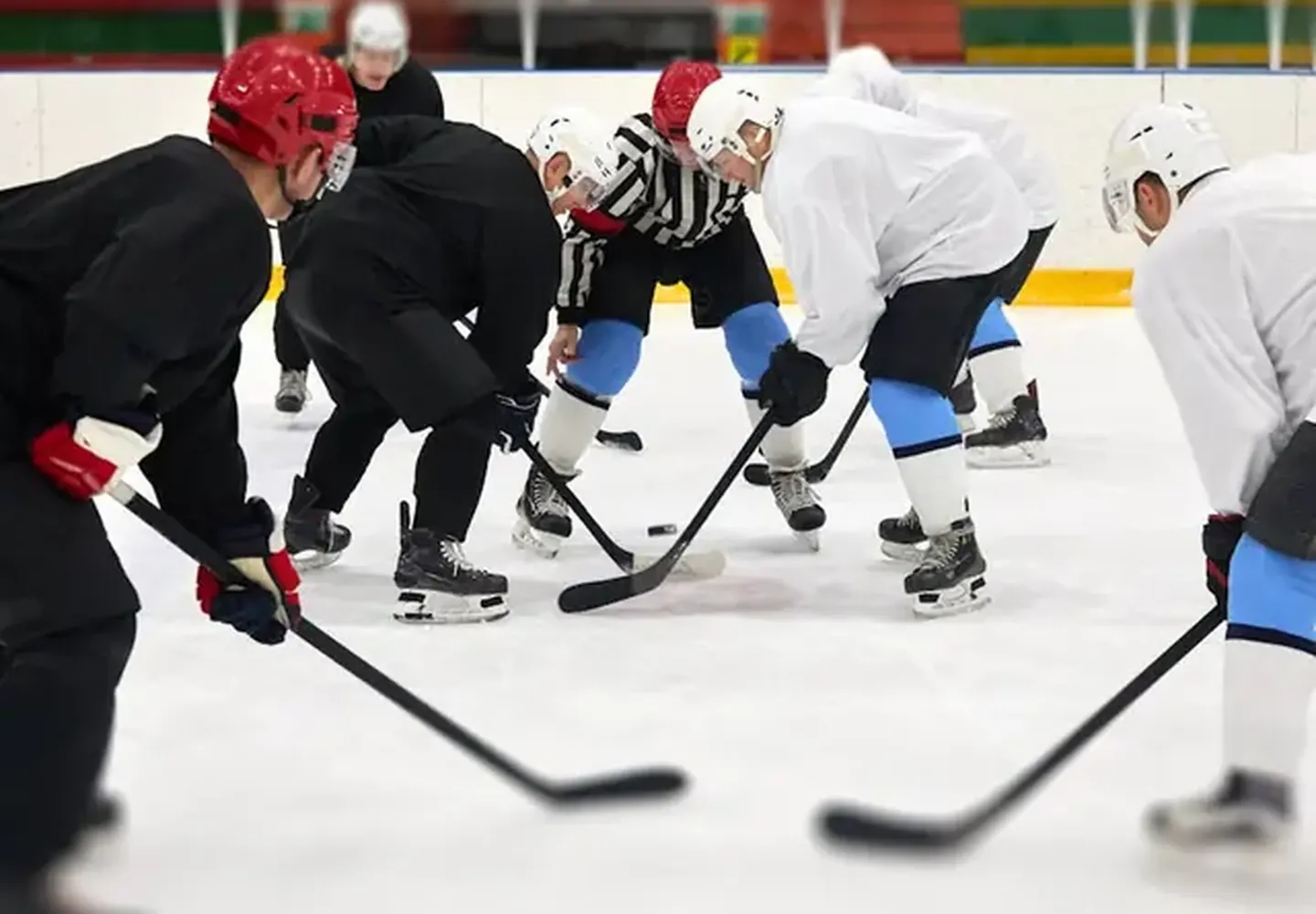
Let's be honest, watching the Calgary Flames this season has felt a bit like trying to assemble IKEA furniture without the instructions. All the pieces seem to be there—the skilled veterans, the exciting rookies, the star goalie—but the final product isn't quite clicking together the way we all hoped. That frustrating gap between potential and results often comes down to one elusive thing: team chemistry.
It's not just about who can skate the fastest or shoot the hardest. It's about the invisible connections, the unspoken reads, and the shared trust that turns a group of individuals into a cohesive unit. When it's off, the whole operation feels clunky. When it's on, it's a beautiful thing to watch. So, let's put on our lab coats and dive into a troubleshooting guide for the Flames' team chemistry. We'll diagnose the common problems, look at the symptoms and causes, and outline some practical fixes to get this team humming.
You can explore more high-level breakdowns in our main Calgary Flames season analysis hub.
Problem: The Top-Six Puzzle Pieces Don't Fit
Symptoms: This is the most visible issue. You see talented players like Jonathan Huberdeau and Nazem Kadri trying to make plays, but the timing is consistently a half-step off. Passes go into empty space, offensive zone entries lack sync, and scoring chances feel more like individual efforts than orchestrated attacks. The power play, which should be a chemistry showcase, often looks disjointed and predictable.
Causes: The root causes are multifaceted. First, there's been significant roster turnover in recent years, breaking up established lines and partnerships. Second, players have different innate rhythms and playmaking styles—forcing a playmaker like Huberdeau to constantly adapt to new linemates disrupts his instinctive game. Finally, inconsistent deployment and shifting line combinations from game to game, or even period to period, prevent any unit from building the repetition needed for chemistry.
Solution:
- Commit to Consistency: Head coach Ryan Huska and his staff need to pick two top-six trios and stick with them for a minimum of 10-15 games, barring injury or catastrophic performance. Chemistry is built through repetition, not hope.
- Define Roles Clearly: On each line, designate a primary puck-retriever, a net-front presence, and a playmaker/danger shooter. When everyone knows their job and their linemates' tendencies, plays develop faster.
- Film Session Focus: Instead of just highlighting mistakes, use video to show positive examples of almost plays. "Huberdeau, look where Kadri is going here. If you lead him by two feet, that's a breakaway." Make the potential connection visual.
- Off-Ice Bonding: Mandate isn't the right word, but strongly encouraging top-six groups to spend time together off the ice—meals, team events—can build the personal rapport that translates to better on-ice intuition.
Problem: The Rookie Integration Lag
Symptoms: A bright spot like Connor Zary bursts onto the scene with energy, but you can sometimes see him thinking instead of reacting. He might hesitate to shoot on a pass from a veteran, or make a safe, short pass when a more aggressive option is available. This slight delay can kill the flow of a shift. It can also lead to veterans not fully trusting to use the rookie in key moments, effectively playing shorthanded.
Causes: This is a natural, almost inevitable cause. Rookies are trying to learn the league's speed, the team's systems, and their place in the locker room hierarchy all at once. The pressure to not make mistakes can be paralyzing. Veterans, focused on their own games and winning now, might default to safer, more familiar options rather than involving the new guy in high-risk, high-reward plays.
Solution:
- The Veteran Shepherd: Assign a specific veteran mentor—not just a linemate, but an off-ice guide—to each key rookie. This player's job is to build the rookie's confidence, explain unwritten rules, and be a sounding board.
- Empowerment Shifts: Designate specific games or periods where the coaching staff explicitly tells a line with a rookie to "run through him." Force-feed him touches and opportunities to build his—and his linemates'—confidence in those situations.
- Celebrate "Good Mistakes": Publicly praise a rookie for an aggressive play that didn't work out due to a skilled defensive play, versus criticizing a timid, safe play that resulted in nothing. This reinforces the desired attacking mindset.
- Utilize the Program: This is where a structured approach pays off. Integrating rookies is a key part of any successful Flames player development program.
Problem: The Home-Ice Disadvantage
Symptoms: The team often looks tighter, more hesitant, and makes more unforced errors at the Scotiabank Saddledome compared to on the road. The legendary C of Red energy sometimes feels like pressure instead of a boost. You can see players gripping their sticks a little tighter, forcing plays that aren't there, and playing not to lose rather than to win.
Causes: High expectations and the desire to perform for the home crowd can be a mental burden. Players might put extra pressure on themselves to "put on a show," which disrupts their fundamental game. Furthermore, opposing teams get the last line change at the Saddledome, allowing their coaches to exploit matchups more easily, which can disrupt the Flames' rhythm.
Solution:
- Embrace the Simplicity Mantra: Before home games, the coaching message should be hyper-focused on basics: "Win your puck battles, get pucks deep, shoot with traffic. The fans will bring the energy if you bring the work."
- Control the Narrative: Leaders like Markström, Kadri, and Huberdeau need to publicly and in the room talk about using the home crowd's energy, not being burdened by it. Frame it as an advantage they have that other teams don't.
- Start on Time: Implement a specific, high-energy drill to start every home morning skate to set an immediate tempo. The first five minutes of home games need to be a physical, shot-heavy barrage to engage the crowd and the bench positively.
- Analyze the Splits: A deep dive into performance data can reveal tactical tweaks. Understanding the specific Calgary Flames home and away splits can help Huska adjust matchups and strategy before the puck even drops at the Dome.
Problem: The Leadership & Voice Vacuum
Symptoms: When adversity hits—a bad goal against, a missed call, a momentum swing—the team sometimes fractures instead of banding together. You don't see a unified, fiery response on the bench or on the ice. Different players might be sending different messages (skill vs. grit vs. defense), leading to confusion rather than a clear path forward.
Causes: Following the departure of long-time, vocal captains, a clear, singular leadership voice is still emerging. While there are leaders, the hierarchy and the "go-to" message in crisis moments might be unclear. Additionally, the mix of strong, veteran personalities with their own styles (Kadri's intensity, Huberdeau's calm, Markström's competitiveness) needs to be harmonized into one chorus.
Solution:
- Crisis Simulation: During practice, create high-pressure scenarios (down by 1 with 2 mins left, protecting a lead on a 5-on-3 penalty kill). Afterwards, huddle and have the leadership group articulate what they were thinking and what the plan was. Get everyone on the same page before it happens for real.
- Designated Firefighter: Empower a specific player or two (e.g., a gritty bottom-six forward and a top-four defenseman) to be the emotional spark plugs. Their job is to make a big hit or stand up for a teammate immediately when momentum sours, providing a clear, physical rallying point.
- GM as Bridge: Craig Conroy, a recent player himself, can be invaluable here. He can facilitate conversations between the coaching staff and the player leadership group, ensuring the messages from management and within the room are aligned and clear.
Problem: The System-Trust Breakdown
Symptoms: Players start to freelance, abandoning the structured system to try and make something happen individually. You'll see defensemen pinching at terrible times, forwards blowing the zone early, and a complete breakdown in the structured breakouts or forechecks the team practices. This leads to odd-man rushes against and chaotic, low-percentage offense.
Causes: This is often a symptom of frustration. When the system isn't producing wins or offensive chances, players—especially skilled ones—begin to doubt it. They think, "If I just do my own thing, I can create a spark." This "hero hockey" is contagious and quickly erodes team-wide structure. It can also stem from unclear communication from the coaching staff about when to take risks.
Solution:
- System Transparency: Huska needs to clearly explain the "why" behind the system. "We play a tight neutral zone because with our goaltending, we win low-scoring games." When players understand the rationale, they buy in more deeply.
- Safe Risk Zones: Define specific areas on the ice and game situations where creativity and risk are encouraged (e.g., below the goal line on offense, when up by two goals). Outside those zones, discipline is required. This gives skilled players their outlet without sacrificing structure.
- Bench Accountability: When a player freelances and it leads to a chance against, his next shift needs to be shortened, and he needs a quick, clear explanation on the bench. Consistent, immediate feedback is key.
- Celebrate System Goals: When a goal is scored directly from a set breakout or forechecking scheme, highlight it in video sessions. Show the team, "This works. This is how we score."
Problem: The Battle of Alberta Mentality Hangover
Symptoms: The team expends an immense amount of emotional and physical energy in games against their historic rivals, sometimes to the point of distraction. You might see a let-down performance in the next game, or players trying to replicate that hyper-aggressive, emotionally charged style against teams that require more structured, disciplined play to beat.
Causes: The Battle of Alberta is unlike any other regular season game. The intensity is playoff-level. The problem arises when that becomes the emotional benchmark. Not every game in the Pacific Division or the West will have that charge. Trying to manufacture that same emotion for a Tuesday night game against a non-rival can lead to emotional fatigue or, conversely, a flat performance.
Solution:
- Compartmentalization: The coaching and leadership must explicitly "turn the page" the morning after such a game. Acknowledge the effort, then firmly shift focus to the next opponent's systems and weaknesses. Make it a tactical challenge, not an emotional one.
- Find a New Default: Establish a different, more sustainable identity for "standard" games. Maybe it's "60-minute work ethic" or "relentless puck pursuit." Make this the baseline, and let the rivalry games be an elevated version of it, not a different sport entirely.
- Manage Practice Energy: Following an emotionally draining rivalry game, consider a mandatory optional skate or a video-heavy day to allow for physical and mental recovery, preventing a cumulative drain over the current season.
Prevention Tips: Building Chemistry Before It Breaks
Chemistry isn't just a fix-it tool; it's a maintenance program. Here’s how the Flames can prevent these issues from taking root:
Proactive Communication: GM Conroy, head coach Huska, and the player leadership group should have regular, informal check-ins, not just when problems arise. Structured Off-Ice Time: Team-building shouldn't be random. Organize regular, low-pressure group activities (golf, dinners, community events) that mix different age groups and cliques. * "Noise-Canceling" Mentality: Develop a team-wide mindset to focus internally on their process and effort, not external narratives, standings pressure, or media criticism.
When to Seek Professional Help
Sometimes, internal solutions aren't enough. If multiple problems persist past the midway point of the 2023-24 NHL season, it's a sign of deeper issues. This is when:
- A Major Roster Shakeup Becomes Inevitable: If chemistry refuses to gel, Craig Conroy may have to make a difficult trade to change the core dynamic, even if it means moving a popular or skilled player.
- Specialized Coaching Consultation is Needed: Bringing in a sports psychologist or a leadership/communication expert to work with the team can provide tools that the hockey staff might not possess.
- The Message is Clearly Lost: If players continue to openly freelance or seem disconnected from the coach's system, it may indicate a fundamental disconnect that requires a hard evaluation of all parties involved.
Reader Comments (0)