

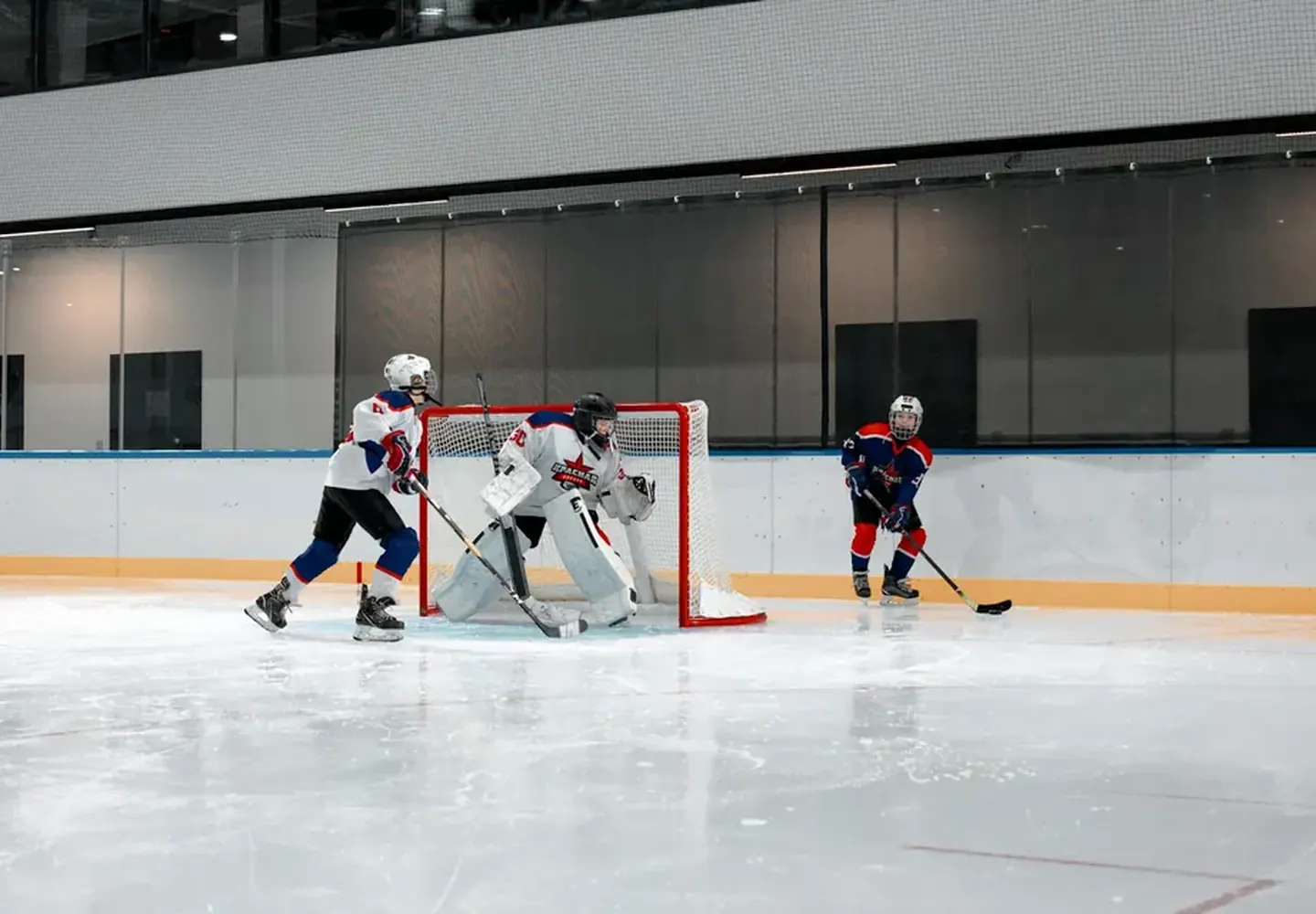
Flames Pre-Season Expectations vs. Reality
As the final horn sounds on the 2023-24 NHL season, a period of reflection and analysis begins for every franchise. For the Calgary Flames, this exercise is particularly poignant. The journey from the optimism of training camp to the stark reality of the final standings is a narrative defined by unmet projections, surprising developments, and foundational questions about the club’s trajectory. This analysis moves beyond simple win-loss records to examine the core assumptions that shaped the pre-season outlook and how the actual events of the campaign reshaped the story of the Flames. Understanding this divergence between expectation and reality is crucial for contextualizing the team's current standing and its path forward within the competitive landscape of the Pacific Division and Western Conference.
The Offseason Blueprint: A Foundation of Retooled Contention
The summer of 2023 was a defining period for the organization. Under the new leadership of GM Conroy, the Flames navigated significant roster turnover not with a declaration of a full rebuild, but with a stated goal of "retooling." The expectation was to remain competitive while integrating new faces and a new system.
Coaching Transition: The appointment of Ryan Huska as head coach signaled a shift. The expectation was that his structured, detail-oriented approach would instill greater defensive consistency and accountability, providing a stable foundation for the roster. Roster Reshuffle: The departures of cornerstone players were offset by the expectation that core veterans like Jonathan Huberdeau and Nazem Kadri would rebound to their peak offensive forms. The hope was that a full training camp and clearer system would unlock their potential. Goaltending Certainty: Jacob Markström was viewed as the unequivocal backbone. After a Vezina-caliber season prior, the pre-season expectation was that elite goaltending would be a nightly given, masking other potential deficiencies and stealing crucial points.
The overarching pre-season narrative was one of transitional competitiveness. The Flames were not seen as the favorite in the Battle of Alberta, but they were widely projected to be in the mix for a Western Conference playoff spot, relying on structure, veteran bounce-backs, and stellar goaltending.
Reality Check: The Season Unfolds
The actual 2023-24 NHL season proved to be a stark contrast to the planned blueprint, revealing fissures in the foundation and challenging the core assumptions of the retool.
The Offensive Engine: Stalled and Sputtering
The expectation of a revitalized offense, particularly from its highest-paid stars, was perhaps the most significant miscalculation.Jonathan Huberdeau’s Continued Struggle: Anticipated as a return to elite playmaking, the reality was another season of profound disconnect. Despite flashes of brilliance, consistency at the point-producing level expected of a franchise cornerstone remained elusive, becoming a central storyline and a major impediment to team offense. Nazem Kadri’s Inconsistency: While showing flashes of his trademark intensity, Kadri could not sustain the offensive output from his first year in Calgary. The expectation of him driving a secondary scoring line often gave way to stretches of quiet play. Systematic Stagnation: Under Ryan Huska, the Flames often appeared caught between a desire to play a structured, defensive game and the need to generate offense. The result was a team that frequently struggled to create sustained pressure and high-danger chances, ranking in the bottom tier of the National Hockey League in goals per game for large portions of the season.
This offensive shortfall placed an unsustainable burden on other areas of the game, directly contradicting the pre-season vision of a balanced attack.
Defensive Structure & Goaltending: A Crumpling Pillar
If the offense was the broken promise, the defensive and goaltending performance was the unexpected collapse. The expectation of Markström as a safety net and a team fortified by Huska’s structure did not materialize.Jacob Markström’s Uncharacteristic Volatility: Far from the steadying Vezina contender, Markström experienced pronounced struggles, particularly in the season's first half. Inconsistent saves and untimely goals against eroded the team’s confidence and directly cost them points in the standings. Systemic Breakdowns: The defensive structure was porous. The Flames were routinely exposed by turnovers leading to odd-man rushes and struggled with coverage in their own zone. The Scotiabank Saddledome, typically a fortress backed by the C of Red, became a site of frustrating defensive lapses.
This combination transformed a perceived strength into a critical weakness, undermining the entire competitive premise of the roster.
The Silver Linings: Emergence and Adaptation
Amidst the disappointment, the season’s reality also delivered unexpected positives that now form the core of a revised future outlook.The Youth Movement: The most significant deviation from pre-season script was the impactful emergence of young talent. Connor Zary arrived not as a tentative rookie but as an immediate, dynamic offensive contributor, providing energy and skill that the veteran core often lacked. His success, alongside other prospects, forced a positive reassessment of the organization’s pipeline. Front Office Pivot: Faced with the reality of a non-competitive stance, Craig Conroy executed a decisive mid-season strategy shift. By trading key pending unrestricted free agents for futures, he openly acknowledged the season’s outcome and pivoted toward a clearer, youth-oriented build. This pragmatic response to reality was a critical step in aligning the organization’s actions with its new circumstances. * Late-Season Identity: In the final months, stripped of several veterans, the Flames often displayed a more cohesive, hard-working identity. While not translating to a playoff push, it provided a glimpse of the culture Ryan Huska is trying to build and offered hope for a more unified effort moving forward.
Comparative Analysis: Key Divergences
| Pre-Season Expectation | Season Reality | Impact on Season |
|---|---|---|
| Status: Retooling for immediate playoff contention. | Status: Clear seller at deadline, shifting to future-focused build. | Created organizational clarity but resulted in a fall down the standings. |
| Offense: Veteran-led, bounce-back driven. | Offense: Youth-injected, inconsistent, and star-starved. | Led to scoring droughts and an over-reliance on a few lines. |
| Defense/Goaltending: A structured strength anchored by elite goaltending. | Defense/Goaltending: A volatile weakness marked by systemic leaks. | Turned potential wins into losses and deflated team morale. |
| Roster Narrative: Stability and veteran resurgence. | Roster Narrative: Transition, youth evaluation, and asset management. | Changed the daily focus from playoff racing to development and assessment. |
Practical Implications for the Flames' Trajectory
The chasm between expectation and reality in the 2023-24 NHL season is not merely a historical footnote; it provides critical, actionable insights for the franchise’s next chapter.
- Embrace the New Timeline: The organization must fully commit to the patient build initiated at the trade deadline. Any residual pressure to "compete now" with the current core would be a denial of this season’s evidence. Success should be measured in development, not just standings points, for the immediate future.
- Build Around the Emerging Core: Roster decisions must prioritize complementing and extending the window for emerging players like Connor Zary. This involves tailoring role assignments and seeking lineup fits that enhance their growth, rather than forcing them to supplement underperforming veterans.
- Solve the Foundational Riddles: The Flames cannot progress without resolving two existential questions: unlocking Jonathan Huberdeau’s elite form or managing that contract, and restoring Jacob Markström to stability or securing the goaltending future. These are not just roster issues but cap management imperatives.
- Define the Huska Identity: Head coach Huska now has the off-season and a training camp to fully implement his system with a roster more aligned to a long-term vision. The defensive structure must become non-negotiable, and an offensive philosophy that leverages youth and speed must be installed.
Conclusion: A Necessary Recalibration
The 2023-24 NHL season for the Calgary Flames will be recorded as a disappointment against its original expectations. The envisioned retool proved unviable, exposing significant gaps between the roster’s construction and its performance. However, within that harsh reality emerged a necessary and clearer path forward. The unexpected struggles forced an organizational reckoning, while the unexpected emergence of youth provided tangible hope.
The narrative has irrevocably shifted from "what's wrong with this contender?" to "how do we build a new one?" This recalibration, though born from unmet expectations, is ultimately healthier for the franchise’s long-term prospects. The challenge for GM Conroy, head coach Huska, and the entire hockey operations staff is to meticulously construct a roster and identity that aligns with the realities exposed this season, ensuring the future Flames are built on a foundation far more solid than the one just tested.
Follow the ongoing narrative of this team rebuild and the stories shaping the club’s future right here at Flames Insider. Explore how external narratives influence the team in our piece on Calgary Flames media coverage and narrative.
Reader Comments (1)