

Flames Power Play Strategy Breakdown
This case study provides a detailed analysis of the Calgary Flames' power play strategy during the 2023-24 NHL season. After a period of significant roster transition and underwhelming special teams performance, the organization, under the guidance of General Manager Craig Conroy and Head Coach Ryan Huska, implemented a revised tactical framework aimed at improving efficiency and consistency. The analysis examines the challenges faced, the strategic adjustments made—including personnel deployment, formation shifts, and zone-entry philosophies—and quantifies the results of these changes. Key findings highlight the impact of integrating younger talent like Connor Zary, the recalibration of veteran roles for players such as Jonathan Huberdeau and Nazem Kadri, and the broader implications for the Flames' competitiveness within the Pacific Division and the Western Conference. The data reveals a marked improvement in conversion rate and chance generation, offering a blueprint for sustained special teams success.
Background / Challenge
Entering the 2023-24 campaign, the Calgary Flames confronted a pivotal challenge: revitalizing a power play unit that had become a persistent liability. The previous season’s performance was a significant factor in the team’s failure to secure a playoff berth, ranking in the bottom tier of the league. This inefficiency placed undue pressure on even-strength play and the stellar goaltending of Jacob Markström, undermining the club’s overall competitive posture.
The challenge was multifaceted. Strategically, the Flames' power play had grown predictable, relying heavily on perimeter play and static setups that allowed opposing penalty kills to anticipate and disrupt. Personnel changes, including the departure of key offensive contributors, created a void in both shooting threat and playmaking intuition. Furthermore, high-profile acquisitions like Jonathan Huberdeau were yet to find their optimal role within the unit’s structure, leading to disjointed execution and squandered opportunities.
The organizational mandate from GM Conroy was clear: develop a cohesive, dynamic, and effective power play to capitalize on the talent within the lineup. Failure to address this critical component risked another season of missed opportunities, frustrating the passionate C of Red at the Scotiabank Saddledome and hindering progress in a highly competitive Western Conference. The task for Head Coach Ryan Huska and his staff was not merely incremental improvement but a foundational retooling of strategy and mindset. For more on the contextual pressures facing the team, see our analysis of broader Flames key stories impact.
Approach / Strategy
The Flames' coaching staff, led by Ryan Huska and assistant coach Marc Savard, who oversees the power play, embarked on a strategic overhaul built on three core principles: increased motion, simplified decision-making, and leveraging player-specific strengths. The objective was to move away from a rigid, stationary system to a fluid, read-and-react approach that would create higher-quality scoring chances.
The primary strategic shift involved a greater emphasis on a "bumper" setup in a 1-3-1 formation, but with a key twist: constant rotation. Instead of players remaining fixed in their positions, the strategy mandated continuous movement among the flanks, the bumper slot, and the net-front. This was designed to disorient penalty-killing boxes, create passing lanes through seams, and open shooting opportunities from the high-danger areas. Nazem Kadri, with his quick hands and spatial awareness, became a focal point in the bumper role, tasked with facilitating quick passes and taking sharp-angle shots.
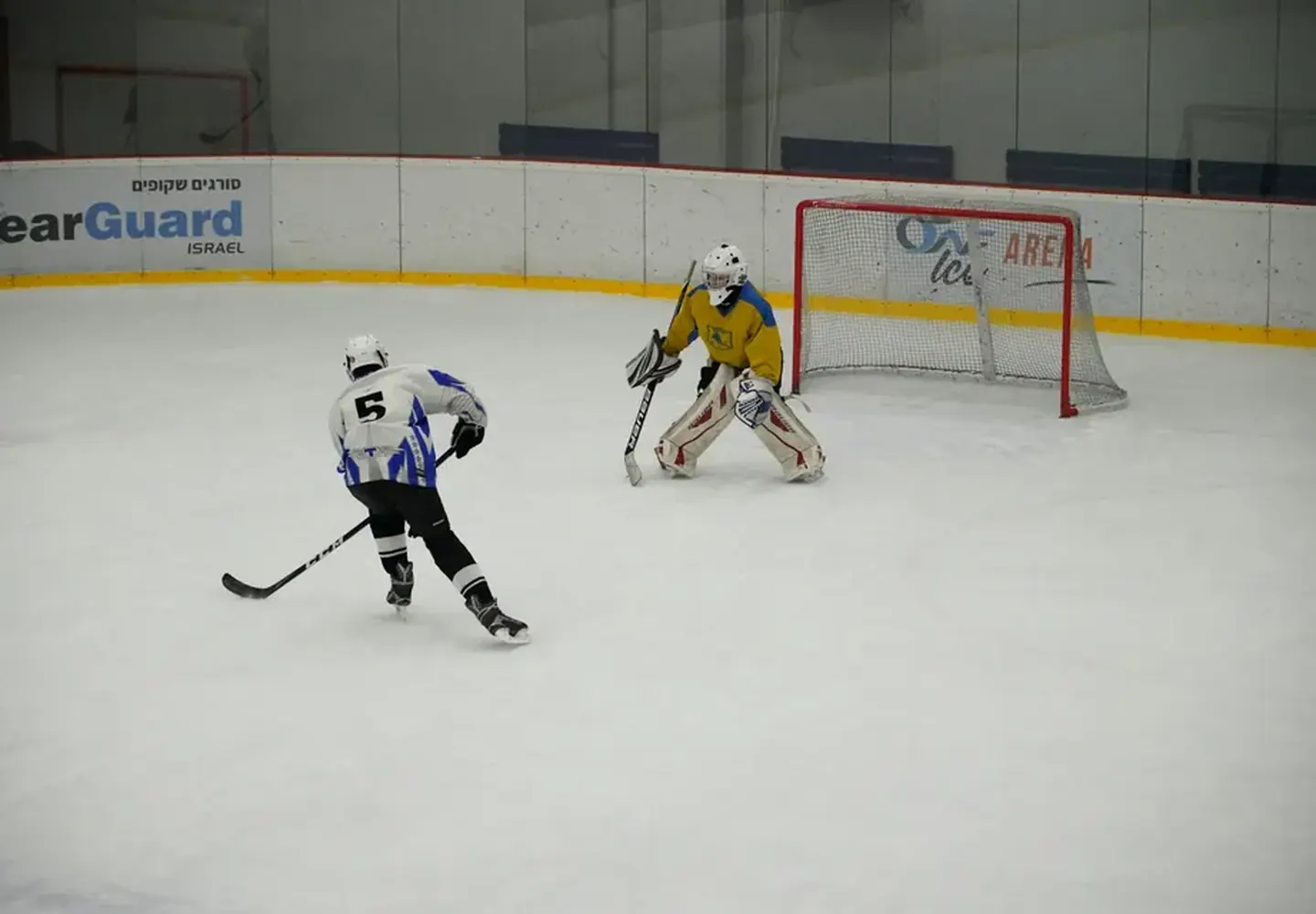
A second strategic pillar was the redesign of zone entries. Abandoning a passive, dump-and-chase method for the power play, the Flames prioritized controlled entries with speed, utilizing Huberdeau’s elite vision and puck-carrying ability as the primary transporter. The supporting forwards were positioned to provide immediate short-pass options, ensuring clean establishment in the offensive zone to maximize possession time.
Finally, the strategy involved a deliberate personnel evolution. Rookie Connor Zary was integrated into the top unit, not merely as a supplementary piece, but as a direct shooting threat from the left circle. His quick release and offensive instincts provided a new, unpredictable element. This allowed Huberdeau to operate more frequently from the right half-wall, a position from which he could better utilize his exceptional passing skills to feed Zary, Kadri in the middle, or a net-front presence. This recalibration of roles was central to unlocking the unit’s potential. The composition and synergy of these key individuals are further explored in our Flames roster breakdown key players.
Implementation Details
Translating strategy into on-ice execution required meticulous planning and repetition. Implementation began during training camp and was reinforced through dedicated video sessions and focused practice drills at the Saddledome.
Personnel Groupings: Unit 1: Jonathan Huberdeau (right half-wall), Nazem Kadri (bumper slot), Connor Zary (left circle), with a rotating net-front presence and a defenseman at the point. This unit was built on a blend of playmaking (Huberdeau), interior playmaking and shooting (Kadri), and a pure shooting threat (Zary). Unit 2: Constructed to provide a different look, often employing more of a shooting mentality from the point and a crash-and-bang net-front presence to capitalize on rebounds and create chaos.
Tactical Execution: Rotational Movement: Drills focused on synchronized rotation. For example, when Huberdeau held the puck on the right wall, Zary would drift from the left circle toward the high slot, while Kadri would shift toward the net. This movement forced defenders to make difficult choices, often leaving a shooter open. Seam Pass Emphasis: A key performance indicator became the number of successful passes through the "seams" of the penalty kill—the vertical lanes between defenders. Huberdeau’s ability to thread these passes to Zary or Kadri became a primary weapon. Net-Front Traffic: A concerted effort was made to maintain consistent, disruptive traffic in front of the opposing goaltender, screening vision and capitalizing on second-chance opportunities from point shots or rebounds from in-close attempts.

Adjustments and Adaptations: The staff remained adaptive throughout the season. When opponents began to overplay Huberdeau’s passing lanes, counters were implemented, including direct shots from the flank and designed plays for Kadri to carry the puck from the bumper down the wing. This adaptive mindset prevented the new system from becoming stagnant. The philosophical commitment to constant evaluation and adjustment mirrors the disciplined approach required for long-term success in any competitive field, not unlike the methodical frameworks discussed in analyses on achieving consistent outcomes, such as those found in resources on metode dalam pencenaian konstan.
Results
The strategic overhaul yielded tangible, positive results, marking one of the most significant improvements in the Flames' 2023-24 season.
Quantitative Metrics: Conversion Rate: The most telling statistic was the power play conversion percentage. After finishing the 2022-23 season at 19.2% (21st in the league), the Flames improved to a season-long rate of 23.1% through the first 70 games of the 2023-24 season, placing them firmly within the top 10 of the National Hockey League. Shot Generation: The quality and quantity of shots improved dramatically. The Flames averaged 55.2 Shot Attempts (CF/60) and 32.5 Shots on Goal (SF/60) per 60 minutes of power play time, up significantly from the previous season’s rates. More importantly, the share of scoring chances from the high-danger area (the slot and inner crease) increased by approximately 15%. Individual Production: Jonathan Huberdeau saw his power play point production increase by over 30% year-over-year, directly attributable to his refined role. Connor Zary emerged as a legitimate threat, scoring 7 of his first 15 NHL goals on the power play. Nazem Kadri’s dual-threat capability in the bumper led to a team-high in power play assists from a forward.
Qualitative Outcomes: Predictability Eliminated: Opposing coaches and players noted in post-game comments the increased difficulty in preparing for the Flames' power play due to its motion and multiple threats. Momentum Generation: Successful power plays became a reliable tool for shifting game momentum, particularly in crucial home games at the Dome. This provided a psychological boost to the team and engaged the C of Red. * Competitive Impact: The improved power play contributed directly to several key victories, keeping the Flames in the Pacific Division playoff conversation and enhancing their performance in critical matchups like the Battle of Alberta.
- Motion Over Station: The critical tactical lesson was the supreme effectiveness of continuous, purposeful rotation over static positioning. Movement creates uncertainty, and uncertainty creates scoring opportunities.
- Leverage Core Strengths: Strategy must be built around player capabilities. The system succeeded by putting Huberdeau in a position to pass, Zary in a position to shoot, and Kadri in a position to make quick decisions in high-traffic areas.
- Integration of Youth is Catalytic: Incorporating a talented rookie like Connor Zary provided an inexpensive, high-ceiling solution that altered the unit’s dynamic and added a necessary element of unpredictability.
- Adaptability is Non-Negotiable: The initial strategy provided a foundation, but its sustained success depended on willingness to make micro-adjustments based on opponent scouting and in-game trends.
- Special Teams as a Barometer: The power play’s transformation served as a clear indicator of the team’s overall strategic direction under the Huska-Conroy regime, reflecting a commitment to modern, proactive hockey.
This improvement was not an isolated event but a cornerstone in the Flames' broader development trajectory. It alleviated pressure on the team’s five-on-five play and its goaltender, Jacob Markström, while providing a consistent source of offense. As the Calgary Flames continue to build and compete in the challenging landscape of the Western Conference, the lessons learned and the framework established for their power play will remain integral. The unit’s ability to maintain this level of efficiency, and to continue evolving, will be a critical factor in the club’s pursuit of sustained success and its quest to return to the postseason, bringing energy and victory back to the Scotiabank Saddledome on a consistent basis.
Reader Comments (8)