

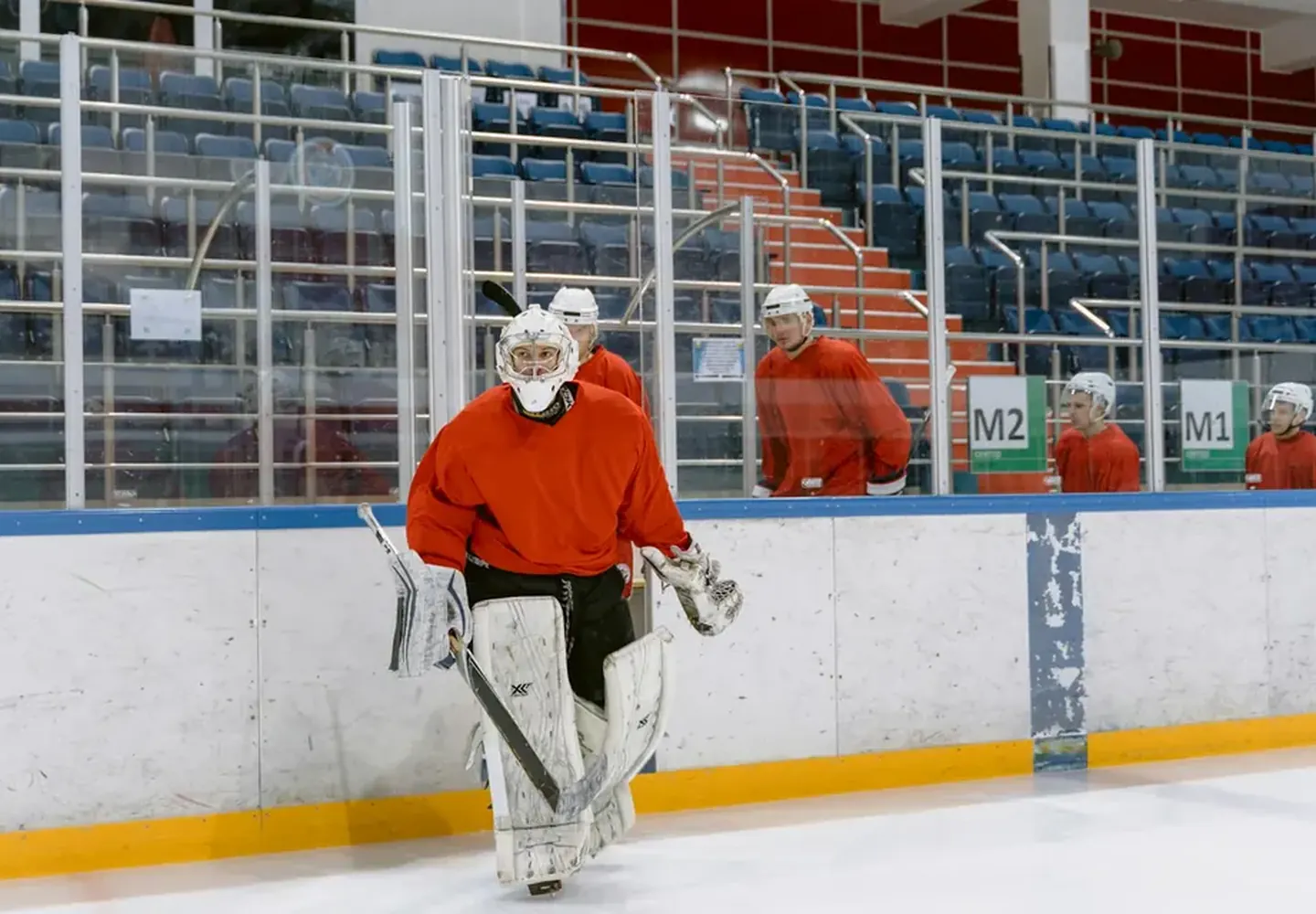
For dedicated followers of the Calgary Flames, understanding the nuances of the game extends beyond goals and assists. The unquantified effort—the punishing hit along the boards, the desperate shot block in the final minute—often defines a team's identity and resilience. This guide provides a practical, step-by-step framework for systematically tracking, analyzing, and contextualizing the Flames' hit and blocked shot statistics. By the end of this article, you will be equipped to move beyond surface-level numbers, transforming raw data into meaningful insights about the team's defensive structure, physical engagement, and overall compete level throughout the 2023-24 NHL season.
Prerequisites / What You Need
Before diving into the analysis, ensure you have the right tools and sources. A structured approach begins with reliable data and a clear objective.
Primary Data Sources: Bookmark the official National Hockey League statistics page and reputable hockey analytics sites (e.g., Natural Stat Trick, MoneyPuck) for verified data. The Flames' official media guide and game notes are also invaluable. Contextual Knowledge: Familiarity with the Flames' roster, systems under head coach Huska, and the general style of play in the Pacific Division and Western Conference is crucial for interpretation. Analysis Tools: A simple spreadsheet (Google Sheets or Excel) is sufficient for most fans. For deeper analysis, consider basic data visualization tools to chart trends. Objective: Define what you want to learn. Are you assessing a specific player's development like Connor Zary, evaluating team-wide trends, or comparing performance against rivals like in the Battle of Alberta?
Step-by-Step Process
1. Sourcing and Compiling Raw Data
Your first task is to gather clean, consistent data. Do not rely on a single source. Pull hit (HIT) and blocked shot (BLK) totals from the league's official game summaries for a set period—for example, a 10-game segment, a monthly review, or home/away splits. Record these figures in your spreadsheet alongside core game data: date, opponent, final score, and location (Scotiabank Saddledome or road). Consistency in data collection is paramount; ensure you are tracking the same metrics from the same sources each time to avoid discrepancies that can skew your analysis.2. Calculating Key Team and Individual Metrics
Raw totals are just the starting point. To gain true insight, you must calculate derived metrics that account for game context.Per-Game Averages: Calculate the Flames' average hits and blocks per game over your chosen timeframe. This normalizes the data, allowing for comparison across different segments of the season. Differential Analysis: Compare the Flames' hit/block totals to their opponents' in each game. A positive differential (Flames > Opponent) in hits may indicate dictated physical play, while a negative differential in blocks could signal excessive defensive-zone time. Individual Leader Identification: Isolate the top performers. Who on the roster consistently leads in hits (often defensemen or bottom-six forwards) and blocks (typically defensemen and detail-oriented forwards like Nazem Kadri)? Tracking this reveals the primary contributors to the team's physical identity.

3. Contextualizing the Numbers with Game Film & Situation
Statistics without context are often misleading. This step separates casual observation from expert analysis.Score Effects: A team leading in the third period will typically have fewer hits as they control possession, while a trailing team may throw more hits in an attempt to create turnovers. Note the game state when physical events occur. Zone Starts & Possession: A player starting many shifts in the defensive zone, like certain defensive pairings, will naturally have higher block totals. Cross-reference your data with advanced metrics like Corsi or zone-start percentages. Qualitative Review: Watch replays of key moments. Was a big hit by Jonathan Huberdeau a momentum-shifter, or did it take him out of the play? Was a blocked shot by Zary a smart, positional play, or a last-second act of desperation? This qualitative check is essential.
4. Analyzing Trends and Correlations
Look for patterns in your compiled data to answer strategic questions.Performance Correlation: Is there a observable correlation between high hit/block totals and wins, especially at the Saddledome with the C of Red providing energy? Or do higher numbers sometimes indicate a lack of puck possession? Roster & System Impact: Analyze how personnel changes or tactical adjustments from head coach Huska affect these metrics. Does the team play a more physically engaged style when Jacob Markström is in net, perhaps feeling more confident to challenge attackers? Benchmarking: Compare the Flames' grit metrics against Pacific Division rivals and Western Conference contenders. This shows where the team stands in the playoff race's physical hierarchy and informs expectations set by GM Conroy.
5. Synthesizing Insights and Drawing Conclusions
The final step is to weave your quantitative data and qualitative observations into a coherent narrative.Assess Identity: Do the Flames succeed as a heavy, punishing team or a quicker, possession-based squad that uses physical play selectively? Evaluate Personnel: Your analysis can inform evaluations of player value. A defenseman with modest point totals but elite shot-blocking metrics is providing critical, if less glamorous, value. Project Future Needs: If the data shows a consistent lack of physical push in losses against top teams, it could highlight an area GM Conroy might address at the trade deadline or through prospect development.

Pro Tips / Common Mistakes
Tip: Focus on Quality, Not Just Quantity. Twenty perimeter hits are less impactful than five that cleanly separate a player from the puck and create a transition opportunity. Use game film to assess the impact of physical events. Tip: Integrate with Other Metrics. Never analyze hits and blocks in a vacuum. Layer this data with scoring chances against, high-danger saves by Markström, and penalty-kill efficiency for a complete defensive picture. Mistake: Overvaluing "Grit" Stats in Isolation. Leading the league in hits does not equate to success. Some of the most dominant possession teams have lower hit totals because they have the puck more often. These are effort metrics, not direct success metrics. Mistake: Ignoring Official Scorer Bias. Hit counts can vary slightly from arena to arena due to scorer interpretation. Be cautious when comparing road and home numbers; look for major discrepancies, not minor fluctuations. The Dome's official scorers have a known reputation for consistency, which helps. Tip: Track Micro-Trends. Beyond game totals, look at period-by-period data. Does the team's physical engagement spike in the second period? Does it fade in back-to-back games? These micro-trends can reveal conditioning or strategic adjustments.
Checklist Summary
Follow this bulleted list to ensure a thorough and professional analysis of the Flames' physical play:
- Gather Tools: Secure access to official NHL stats portals and set up a spreadsheet for data entry.
- Define Scope: Choose a specific timeframe or set of games (e.g., October, a road trip, post-All-Star break) for your analysis.
- Compile Data: Record raw hit (HIT) and blocked shot (BLK) totals for the Flames and their opponents, including game results and location.
- Calculate Metrics: Determine per-game averages, physical play differentials, and identify individual leaders on the roster.
- Add Context: Review game situations (score, zone starts) and watch film to qualify the nature* of key hits and blocks.
- Identify Trends: Look for correlations between physical metrics and wins/losses, and analyze the impact of coaching systems or roster changes.
- Benchmark: Compare the Flames' metrics against Pacific Division and Western Conference competitors.
- Synthesize: Form a clear conclusion about how hits and blocks contribute to the team's identity, performance, and future needs.
Reader Comments (0)