

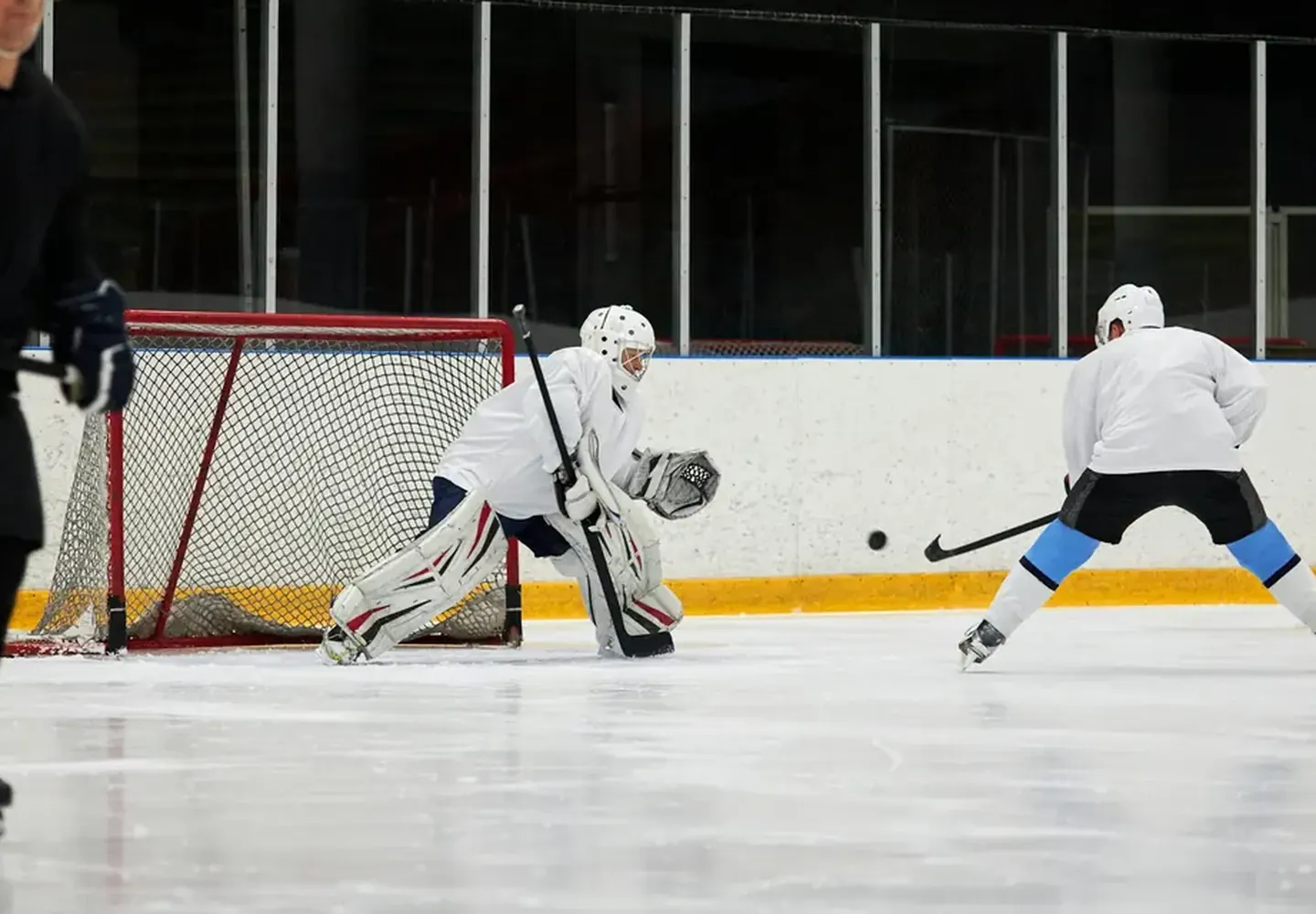
Flames Franchise History & Season Context
Understanding the present trajectory of any organization requires a firm grasp of its past. For the Calgary Flames, the 2023-24 NHL season represents not merely another campaign, but a distinct chapter in a rich and complex narrative. This chapter is defined by transition, recalibration, and the foundational work of a new management regime. To fully appreciate the on-ice developments, roster decisions, and strategic direction, one must contextualize them within the broader sweep of franchise history. This guide delves into that essential context, examining how the legacy of the Flames informs their current rebuild, the challenges of the modern Pacific Division, and the key figures tasked with steering the club into its next era. A thorough Calgary Flames season analysis always benefits from this historical lens.
A Legacy Forged in Relocation and Glory
The story of the Calgary Flames begins not in Calgary, but in Atlanta. Founded in 1972, the Atlanta Flames spent eight seasons building a competitive identity before financial pressures prompted a move north in 1980. This relocation was pivotal, transplanting a franchise into the heart of Canadian hockey culture. The Calgary Flames quickly embedded themselves into the city's fabric, with the iconic Scotiabank Saddledome becoming their home in 1983. The franchise's zenith arrived in 1989, a season forever etched in lore. Captained by Lanny McDonald and driven by stars like Joe Nieuwendyk, Al MacInnis, and goaltender Mike Vernon, the Flames vanquished the Montreal Canadiens to capture the Stanley Cup. This triumph remains the franchise's crowning achievement, a benchmark against which all subsequent teams are measured.
The decades that followed were marked by periods of contention and frustration. The late 2000s saw another surge, with a trip to the 2004 Stanley Cup Final, famously lost in seven games. The "C of Red" became a symbol of unwavering support, transforming the Saddledome into one of the league's most intimidating venues. This history of explosive offense, passionate fan engagement, and a fierce provincial rivalry—the timeless Battle of Alberta—has created a legacy of high expectations. The current organization operates in the long shadow of the 1989 champions and the passionate echo of those near-misses, a context that deeply influences fan sentiment and organizational ambition.
The Pivot to a New Era: Conroy's Mandate
The conclusion of the 2022-23 season signaled a profound shift. The departure of cornerstone players and the appointment of former Flame Craig Conroy as General Manager marked the official end of one competitive cycle and the deliberate beginning of another. Conroy’s mandate is clear: to orchestrate a structured rebuild focused on sustainability. This involves accumulating draft capital, developing young talent, and managing the salary cap with a long-term vision. This strategic pivot is a direct response to the franchise's historical pattern of "retooling" on the fly; the current approach under GM Conroy aims for a more foundational reset.
This new direction is a conscious departure from immediate gratification. The history of the Flames includes several attempts to remain competitive through significant trades and free-agent signings, with varying degrees of success. The current management, acknowledging the heightened competitiveness of the Western Conference, has chosen a path of patience. This context is crucial for evaluating the 2023-24 NHL season. Success is not measured solely by playoff qualification, but by the progression of young players, the establishment of a new team identity under head coach Ryan Huska, and the acquisition of future assets. It is a season defined as much by development as by results.
Core Tenets of the Modern Flames Identity
As the franchise rebuilds, certain pillars of identity remain non-negotiable, drawn from its historical DNA. These form the bedrock of the team's culture and are emphasized by GM Conroy and head coach Huska.

Work Ethic and Compete Level: From the "Hardest Working Team in Hockey" moniker of the 2000s to the relentless forechecking ideals of today, a blue-collar work ethic is a franchise staple. In a transitional season, establishing this standard is paramount. Defensive Responsibility: While the Flames have historically boasted high-flying scorers, their most successful teams were built from the net out. Instilling structured, five-player defensive accountability is a cornerstone of Huska's system, aiming to support stalwart goaltender Jacob Markström. The "C of Red" Connection: The symbiotic relationship with the fanbase is a unique asset. Maintaining an entertaining, hard-working style of play at the Scotiabank Saddledome is essential to honor that support, even during a rebuild.
The 2023-24 Roster: A Blend of Legacy and Future
The current roster embodies the franchise's transitional state, featuring veteran leaders acquired in previous eras and the first wave of the new core.
The Veteran Leadership Group: Players like Jonathan Huberdeau, Nazem Kadri, and Jacob Markström represent significant investments from the prior management regime. Their roles have evolved; they are now tasked with providing on-ice stability, mentoring younger players, and upholding performance standards. Markström's goaltending, in particular, remains a critical factor in maintaining competitive integrity nightly. The Emerging Core: This season has seen the introduction of promising talent like Connor Zary. His immediate impact exemplifies the type of youthful injection the rebuild requires. The development of such players under the guidance of veterans is a key storyline and a practical measure of the season's success. Their growth is the most direct return on the organization's investment in the future.
Navigating the Pacific Division Landscape
The Flames do not rebuild in a vacuum. The Pacific Division presents a specific and challenging context. It features established powerhouses, teams in their own competitive windows, and a resurgent Battle of Alberta rivalry. This environment impacts everything from the nightly schedule's difficulty to playoff probabilities. The division's physical and travel demands test a team's depth and resilience, making the development of young players like Zary all the more challenging and informative. A realistic Calgary Flames season analysis must account for this rugged landscape, where points are hard-earned and margins for error are slim.
Practical Evaluation: Assessing Progress in a Transition Year
For fans and analysts, evaluating a season of transition requires adjusted metrics. While wins and losses matter, deeper indicators of progress are more telling:
Youthful Contribution: Track the ice time, responsibility, and point production of rookies and players under 25. Are they being integrated into key situations? System Adherence: Is the team consistently playing the structured, defensively responsible style emphasized by head coach Huska, even when facing adversity? Asset Management: Observe the management of the trade deadline and contract situations. Does the organization demonstrate discipline in acquiring future draft picks or prospects for expiring assets? * Competitive Resilience: Does the team avoid prolonged losing streaks and compete consistently, especially at home in front of the C of Red?
These factors, more than standings position alone, reveal the health and direction of the rebuild. It is a process akin to a long-term cultural project, requiring a different lens than that used to judge a Stanley Cup contender.
Conclusion: A Season as Foundation
The 2023-24 NHL season for the Calgary Flames is a foundational chapter. It is defined by the weight of a championship history, the clear-eyed strategy of a new front office led by Craig Conroy, and the daily work of implementing a new culture under Ryan Huska. The performances of veterans like Huberdeau, Kadri, and Markström are being viewed through the prism of mentorship and stability, while the emergence of players like Connor Zary offers glimpses of the future. Playing in the tough Pacific Division and honoring the passion of the C of Red at the Scotiabank Saddledome adds layers of complexity and expectation.
This season may not culminate in a parade, but its success will be measured in the establishment of a new identity, the growth of a young core, and the strategic accumulation of assets for the future. It is a necessary step in the cyclical journey of a franchise, one that seeks to build a team capable of once again reaching the heights of its storied past. To follow this building process in detail, explore our ongoing Calgary Flames season analysis for regular insights into player development, tactical shifts, and management strategy.
Reader Comments (7)