


Calgary Flames Roster Breakdown & Analysis
A comprehensive roster evaluation is fundamental to understanding any team’s trajectory within the National Hockey League. For the Calgary Flames, the 2023-24 NHL season has been a period of significant transition, marked by strategic shifts, emerging talent, and the ongoing challenge of establishing a consistent identity in a highly competitive Western Conference. This analysis provides a detailed breakdown of the Flames' roster, examining the contributions of key players, the impact of new leadership, and the collective performance that defines the club's current standing and future prospects. In a landscape defined by the relentless pace of the Pacific Division and historic pressures like the Battle of Alberta, each component of the lineup carries weight in shaping the club's path forward.
The Foundation: Goaltending & Defensive Corps
The stability of any NHL team begins at the back end, and for the Calgary Flames, this segment has been a focal point of both strength and scrutiny.
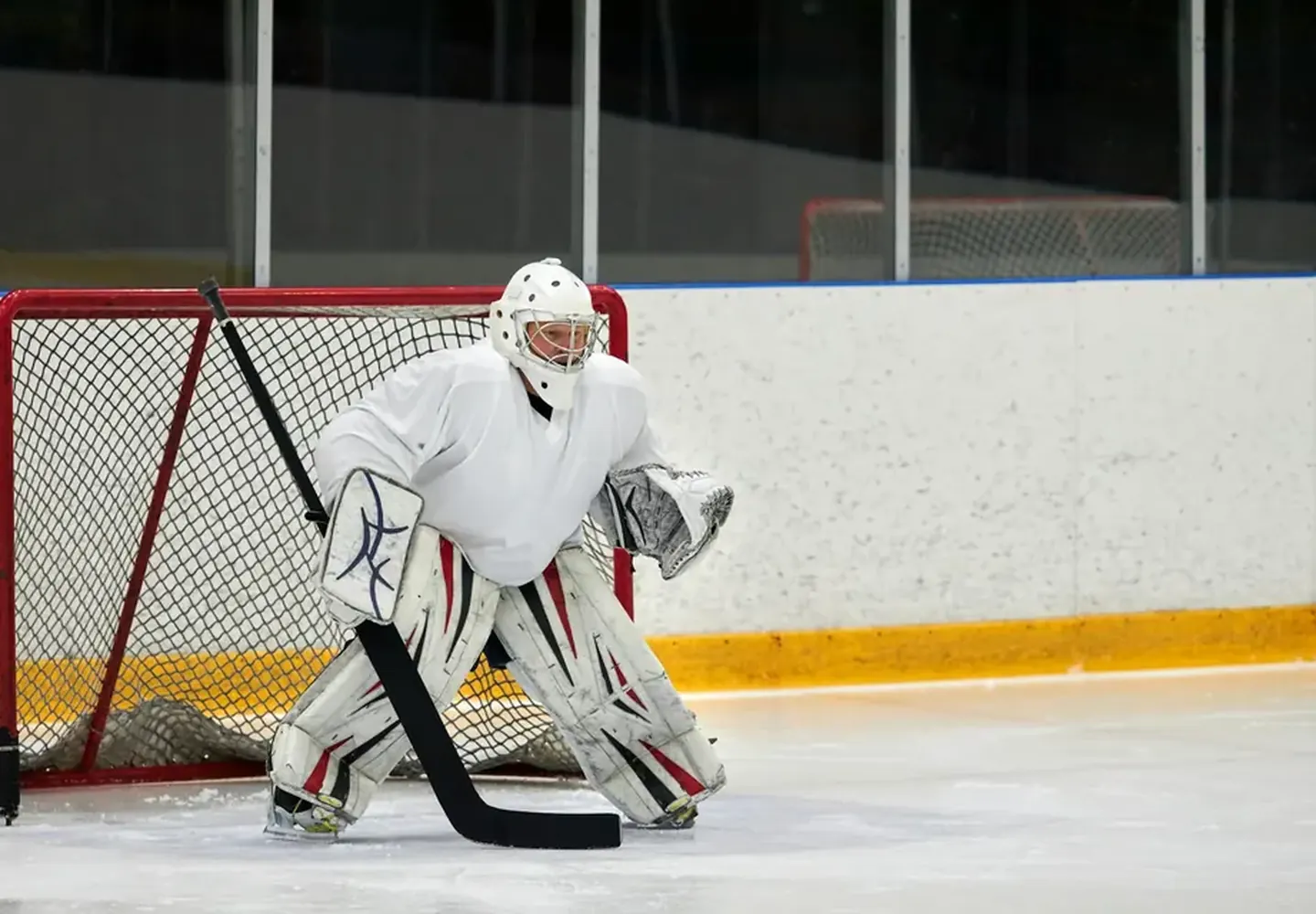
Jacob Markström’s Crucial Role As the undisputed number-one goaltender, Jacob Markström remains the most critical element of the Flames’ defensive structure. His ability to provide elite-level goaltending on a nightly basis is the single greatest factor in the team’s competitiveness. When performing at his Vezina-caliber best, Markström can single-handedly steal games, providing a safety net for a team undergoing systematic adjustments under head coach Ryan Huska. His performance metrics—including goals-against average, save percentage, and high-danger save percentage—are the primary barometer for the team's defensive efficacy. Consistency in this position is non-negotiable for any playoff aspirations, making Markström's health and form the linchpin of the season.
Defensive Unit Analysis The defensive corps has experienced notable change, moving away from the offensive-heavy style of recent years toward a more structured, two-way approach. This transition has tested the adaptability of the group. Veteran Pillars: Veterans like Rasmus Andersson and MacKenzie Weegar carry substantial minutes and responsibilities. Andersson quarterbacks the top power-play unit and faces the toughest matchups, while Weegar’s game has evolved into a robust, all-situations role that leverages his skating and physicality. Systematic Adaptation: The success of this group is intrinsically linked to the team’s adoption of Ryan Huska’s defensive system. The focus on tighter gaps, more assertive neutral-zone play, and structured breakouts requires disciplined execution. The defensemen’s ability to move the puck efficiently and join the rush without compromising defensive positioning is a key area of development and a telling indicator of the system’s implementation.
For a broader perspective on how these elements fit into the team’s annual cycle, consider our overarching Calgary Flames Season Analysis.
Forward Lines: Redefining the Attack
The forward group for the Calgary Flames presents a mosaic of high-profile acquisitions, promising youth, and the quest for optimal line chemistry. The departure of several core veterans has accelerated a reshuffling of roles and responsibilities.
Top-Six Scrutiny: Huberdeau & Kadri The performances of Jonathan Huberdeau and Nazem Kadri are perpetually under the microscope, given their long-term contracts and designated roles as offensive catalysts. Jonathan Huberdeau: After a challenging first season in Calgary, the 2023-24 campaign has been about rediscovery for Huberdeau. His elite playmaking vision remains his standout attribute. His success is contingent on pace, possession, and synergy with linemates who can anticipate and finish plays. An increase in his even-strength production and a return to dominance on the power play are essential for the Flames’ offensive ceiling. Nazem Kadri: Kadri brings a necessary blend of skill, tenacity, and experience to the center ice position. His role is multifaceted: provide secondary scoring, anchor a power-play unit, and match up against other teams’ top lines. His point production and face-off proficiency are vital, but his truculent, in-your-face style of play is equally important in setting a competitive tone for the team.
The Emergence of Youth: Connor Zary & Others Perhaps the most encouraging storyline of the Flames’ season has been the impactful arrival of rookie forward Connor Zary. His immediate contribution—characterized by high hockey IQ, offensive creativity, and a surprising level of two-way responsibility—has provided a jolt of energy and cost-controlled production. Zary’s seamless transition to the National Hockey League exemplifies the successful development work within the organization and offers a blueprint for future prospects. His ability to drive play and contribute alongside established players has been indispensable, turning what was a question mark into an exclamation point for the roster.
Leadership & Systematic Implementation
A change in bench leadership signifies a philosophical shift, and the Flames are in the early stages of this process under new guidance.
The Huska Era Begins Head coach Ryan Huska, promoted from within the organization, has embarked on the task of instilling a new identity. His coaching philosophy emphasizes structure, accountability, and a detailed defensive framework. The implementation of this system is an ongoing process, observable in the team’s shift in shot suppression metrics, penalty kill structure, and five-on-five play. His ability to communicate this vision effectively, manage in-game adjustments, and extract consistent effort will define the team’s growth trajectory over the coming seasons.
Front Office Vision: Craig Conroy’s Blueprint General Manager Craig Conroy has placed a clear imprint on the roster, prioritizing character, competitiveness, and a balanced age structure. His maneuvers, including targeted free-agent signings and a commitment to integrating youth, reflect a long-term vision for sustainable success. Conroy’s strategy appears to be building a deeper, more versatile lineup that can compete now while replenishing the prospect pipeline—a challenging but necessary balance in the modern NHL.

Special Teams: The Decisive Battleground
In a league where games are often decided by thin margins, special teams performance is a decisive factor. For the Calgary Flames, these units have been areas of significant focus and fluctuation. Power Play: The man-advantage unit, often featuring Huberdeau, Kadri, and Andersson, has struggled with consistency. Issues with zone entry, puck movement stagnation, and a lack of net-front presence have hampered efficiency. Unlocking a more dynamic and unpredictable power play is a critical offensive priority, as it directly impacts the production of the team’s highest-paid stars. Penalty Kill: Under Huska’s direction, the penalty kill has shown signs of a more aggressive, pressure-oriented system. The success of this unit relies on the commitment of key forwards and the goaltending of Markström. A reliable PK not only prevents goals but can generate momentum, often felt keenly by the C of Red at the Scotiabank Saddledome.
Roster Construction & Cap Management
The financial architecture of an NHL roster is a complex puzzle. The Flames manage several long-term, high-value contracts (Huberdeau, Kadri, Markström, Weegar) that form the core of their financial commitments. The challenge for GM Conroy is to supplement this core with cost-effective talent. The entry-level contributions of players like Connor Zary are invaluable in this regard, providing high-level play at a minimal cap hit. Future roster flexibility will depend on prudent drafting, development, and strategic contract management to ensure the team can address needs and retain emerging talent within the constraints of the salary cap.
Practical Evaluation: Assessing Player Impact
When conducting a roster analysis, it is important to look beyond basic point totals. Consider these practical evaluation metrics: Two-Way Impact: Analyze a player’s on-ice goals-for percentage (GF%) and expected goals-for percentage (xGF%) at even strength. This indicates their overall effect on play, not just scoring. Role Fulfillment: Is a player performing the role assigned? For a defensive defenseman, shot suppression metrics are key. For a scoring winger, individual shot generation and high-danger chances are more relevant than assists alone. * Trend Analysis: Look at performance over segments of the season. Is a player improving within the new system? Are their contributions increasing in key situations (e.g., third-period play, against elite competition)?
Conclusion: A Roster in Transition
The Calgary Flames roster for the 2023-24 NHL season is a blend of established stars, mid-career veterans, and a promising wave of youth. The analysis reveals a team in a clear state of transition, working to align its personnel with a new systematic identity under head coach Ryan Huska. The performances of cornerstone players like Jonathan Huberdeau, Nazem Kadri, and Jacob Markström set the floor for the team’s competitiveness, while the emergence of talents like Connor Zary points toward a brighter future. The ultimate success of this roster construction will be tested in the crucible of the Pacific Division and measured by the ability to consistently secure points and return to the postseason fray.
Stay informed on every shift, signing, and strategic move. For continued in-depth coverage, player spotlights, and expert analysis throughout the Flames’ journey, keep your focus locked on Flames Insider.
Reader Comments (5)