

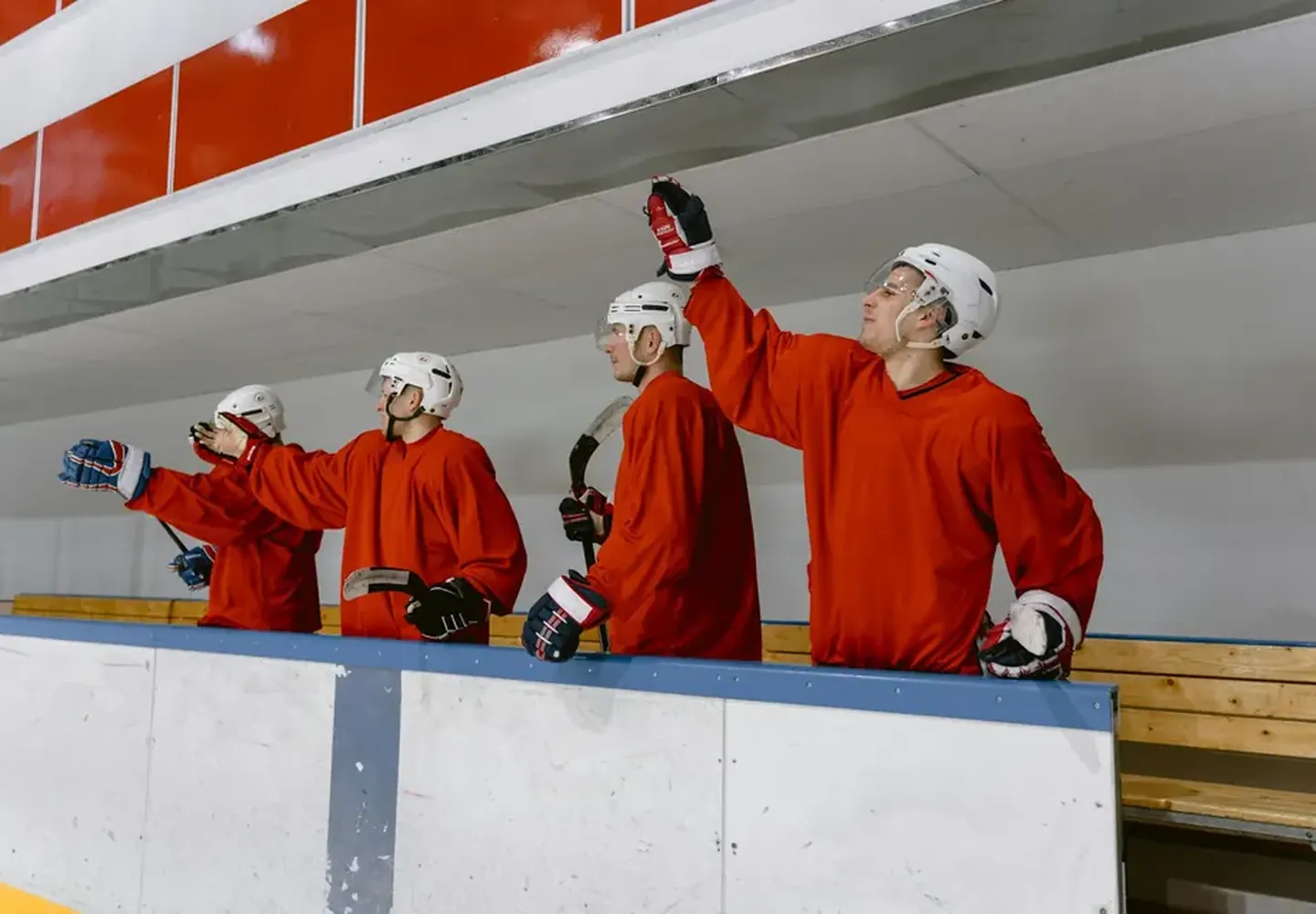
Let’s be honest: watching hockey, you hear the term “line matching” all the time. The broadcasters mention it, analysts break it down, but what does it actually look like for our Calgary Flames? It’s not just a fancy coaching buzzword—it’s a critical, shift-by-shift chess match that can quietly win or lose games.
In this guide, we’re going to pull back the curtain. We’ll break down exactly what line matching is, why it’s crucial for the Flames’ success, and provide a practical, step-by-step look at how Head Coach Ryan Huska and his staff can deploy different strategies at the Scotiabank Saddledome versus on the road. By the end, you’ll not only understand the “why” behind those last-change scrambles but also be able to anticipate them during the game.
What You’ll Need to Follow Along
Before we dive into the matchups, let’s make sure we’re all on the same page. You don’t need a coaching certificate, but a few things will help this all click:
Basic Understanding of Flames Personnel: Know which lines are currently deployed for scoring (like a unit with Jonathan Huberdeau and Nazem Kadri), which are shutdown specialists, and which are energy lines. Player roles are the pieces on our chessboard. The “Last Change” Rule: This is the golden rule of line matching. The home team gets to see the visiting team’s line change first, and then sends their players over the boards. This is the ultimate home ice advantage. Context of the Game: The score, period, and opponent (is it a Pacific Division clash or a Battle of Alberta?) dramatically change matching priorities. Patience: Line matching is a long game. Winning a single shift matchup is good; creating a sustained advantage that wears down an opponent over 60 minutes is the goal.
Ready? Let’s get to the whiteboard.
The Step-by-Step Process for Effective Line Matching
Step 1: Establish Your Home Ice Blueprint at the Saddledome
At the Scotiabank Saddledome, with the C of Red roaring and the last change in your back pocket, you have control. This is where you can be most proactive.The primary strategy here is defensive matching. Your goal is to use your defensive specialists and most reliable two-way forwards to neutralize the opponent’s top scorers. For the Flames, this often means aiming a line centered by a responsible veteran like Kadri, or a dedicated checking unit, directly at the other team’s superstar. You wait for them to step on the ice, and you counter with your chosen stoppers.
But home ice isn’t only about defense. The second key tactic is creating offensive mismatches. Once you’ve safely navigated a shift against the opponent’s best, you can pounce. You send out your most skilled offensive line—perhaps one featuring the creativity of Huberdeau and the emerging talent of Connor Zary—against the opponent’s third or fourth line or a tired defensive pair. This is how you tilt the ice and generate high-danger chances.
Step 2: Adapt Your Road Game Plan
On the road, you lose the last change. The opponent now has the power to react to you. Your strategy must flip from proactive to reactive and highly adaptable.The focus shifts to line deployment via committee. You can’t guarantee a specific matchup, so you need multiple lines that can handle tough minutes. This is where depth, built by GM Conroy, is tested. You spread the defensive responsibilities around, ensuring that if the home coach tries to pick on a particular line, your other units are prepared to share the burden.
This also makes the quick change your best friend. If you see an unfavorable matchup developing as your players jump on, you get them off the ice as fast as possible, even if it means a short shift. A 20-second shift in a bad spot is better than a 45-second one. The goal is to minimize damage, win your faceoffs, and change the personnel dynamic before the opponent can exploit it.
Step 3: Leverage Special Teams & Faceoffs as Entry Points
Line matching isn’t just for 5-on-5 play. It starts with special teams and the faceoff dot.After a power play or penalty kill, the ensuing shift is a critical matching opportunity. The players coming out of the box or finishing a special teams shift are often tired. A smart coach will have a fresh, ideally offensive-minded line ready to jump over the boards to exploit this. For the Flames, capitalizing on these transitions can turn special teams success into even-strength goals.
It all begins with the faceoff. Winning a defensive-zone draw against the other team’s top line allows you to get the match you want. Losing it might force you into an immediate line change to avoid the mismatch. Centers like Kadri become even more vital here, as their ability to win key draws directly enables the coaching staff’s matching strategy.
Step 4: Integrate Goaltending & Defensive Pairings
Line matching isn’t just about forwards. It’s a holistic strategy that includes your goalie and defensemen.Your matching decisions are backed by the confidence in your last line of defense. Knowing you have Jacob Markström dialed in might allow you to take a slightly more aggressive matching risk, trusting he can bail out a minor mistake. Conversely, if your goalie is fighting the puck, you might match even more conservatively to limit premium chances.
Similarly, you’re not just matching forward lines; you’re matching units. Ryan Huska is also managing which defensive pair goes out against which forward group. The goal is to have your most mobile, shutdown pair available for the opponent’s most dangerous players, especially in the Western Conference where star power is abundant.
Step 5: Make In-Game Adjustments Based on Flow
No game plan survives first contact. The 2023-24 NHL season is a marathon of adjustments.You must have contingency plans. What if your designated shutdown line gets scored on early? Do you stick with them or pivot? Often, coaches will show faith initially but must be ready to adjust by the second period if the matchup isn’t working.
Finally, score and clock management dictate everything. Protecting a lead in the third period? The matching becomes hyper-defensive, getting your best checkers and shot-blockers out for every defensive-zone draw. Chasing a game? You shorten your bench, throw offensive skill over the boards relentlessly, and worry less about who they’re facing.
Pro Tips & Common Mistakes to Avoid
Pro Tips: Watch the Center Ice Camera: The TV broadcast’s overhead view is the best way to see line changes unfold in real-time. Track Zone Starts: Notice which lines start shifts in the defensive zone. This is a dead giveaway for a coach’s matching intent. Listen for Names: When the arena announcer at the Saddledome calls the visiting line first, watch which Flames stand up. That’s your live matching clue.
Common Mistakes: Chasing Matchups Too Hard: A coach can become so obsessed with getting one specific matchup that they burn out their own players with short, frantic shifts and lose all offensive rhythm. Ignoring Momentum: Sometimes, a “mismatched” line is simply playing out of its mind with chemistry and momentum. A rigid coach might change them just to follow the plan, killing a hot hand. Forgetting About Fatigue: The best-laid matching plan fails if your players are gassed. Managing shift length is as important as managing opponent quality.
Your Calgary Flames Line Matching Checklist
Use this bullet list as a quick-reference guide to understand the strategy during any Flames game:
- Identify the Last-Change Advantage: Is the game at the Saddledome (Flames have it) or on the road (opponent has it)?
- Decipher the Home Strategy (If Applicable): Look for Flames using defensive specialists to shadow the opponent’s top line and skill lines attacking weaker competition.
- Analyze the Road Reaction: Watch for quick Flames changes and multiple lines taking on defensive duties to counter the home team’s matching.
- Monitor Special Teams Transitions: Note which Flames line jumps on after a PP/PK to exploit a tired opponent.
- Key In on Key Faceoffs: Watch defensive-zone draws; winning them allows the desired match, losing them forces a change.
- Consider the Bigger Picture: Factor in Markström’s performance, which defensive pair is out, the current score, and how much time is left.
- Look for Adjustments: See if Head Coach Huska alters his matchups after a goal or as the period progresses.
Want to dive deeper into how the Flames structure their attack? Check out our breakdown of the team’s offensive systems. And to understand how it all works from the net out, our analysis of the goaltending system and tactics is essential reading.
Reader Comments (0)