

Let’s be honest, watching the Flames this season has been a bit like watching a suspense thriller—you’re never quite sure what’s going to happen next. One period, they look like world-beaters, controlling the pace and creating chances. The next, they can get stuck in their own zone, struggling to connect a pass. That inconsistency is the hallmark of a team still figuring itself out, and a lot of it comes down to in-game adjustments.
In the fast-paced chess match of the National Hockey League, the ability to adapt on the fly is what separates good teams from great ones. It’s not just about having a game plan; it’s about knowing how to change it when things go sideways. For the Flames, mastering this art is crucial for climbing the standings in the tough Western Conference and making the Scotiabank Saddledome a fortress again.
This guide is a practical look at some recurring in-game issues we’ve seen from the Flames, why they might be happening, and what the fixes could look like. Think of it as a troubleshooting manual for the team—and for us fans trying to understand the rollercoaster.
Problem: The Second Period Swoon
Symptoms: The Flames come out with energy, often playing a strong first period. Then, after the first intermission, the game shifts. They look slower, make unforced errors, get pinned in their own end, and frequently surrender multiple goals in a short span. The momentum built early evaporates, forcing them to play catch-up in the third.
Causes: This is a classic focus and preparedness issue. Opposing coaches make their adjustments after the first period, and the Flames have sometimes struggled to counter. It can also stem from a shift in mentality—protecting a lead instead of extending it, or losing the detailed, north-south game that worked early. Line matching by the opposition can also expose certain defensive pairings or forward lines.
Solution:
- Anticipate the Counter-Punch: Head coach Ryan Huska and his staff need to assume the other team will raise its level. The message during the first intermission shouldn't just be "keep it up," but should explicitly address expected adjustments from the opponent.
- Simplify the Game: When the pressure mounts, the solution is often to get back to basics. Dump pucks in deep, win board battles, and focus on a strong forecheck to re-establish zone time. Players like Nazem Kadri can be key here by using their physicality to shift momentum.
- Use the Timeout Strategically: If the opponent scores two quick goals, don’t wait. Use the coach’s timeout early in the second to stop the bleeding, reset the group, and deliver clear, concise tactical instructions.
Problem: Power Play Paralysis
Symptoms: The man-advantage unit enters the zone with difficulty, sets up with little movement, and relies heavily on perimeter passing. Shots are either blocked, miss the net, or are easy saves for the goalie. There’s a palpable lack of urgency and creativity, making the power play a momentum-killer instead of a game-changer.
Causes: The power play often suffers from being too predictable. Opponents have ample video to study tendencies. A lack of a net-front presence to screen goalies and battle for rebounds, combined with hesitant decision-making with the puck, allows penalty killers to be aggressive. The personnel, including Jonathan Huberdeau, who is a gifted passer, sometimes seem out of sync, looking for the perfect play instead of creating chaos.
Solution:
- Implement a "Shoot First" Mentality: The first directive should be to put pucks on net with traffic. This isn't about fancy plays; it's about creating rebounds and scrambles. Connor Zary, with his quick release and willingness to go to dirty areas, could be a catalyst here.
- Increase Player Movement: Static players are easy to defend. The solution is constant, purposeful motion—swapping positions, using the bumper player more effectively, and having defensemen activate to open new passing lanes.
- Design a Simple, Reliable Zone Entry: If they can’t enter with control, nothing else matters. Designate one or two clear entry plays (like a drop pass to a player with speed) and execute them with confidence. Consistency in entry leads to more setup time.
Problem: Defensive Zone Breakout Breakdowns
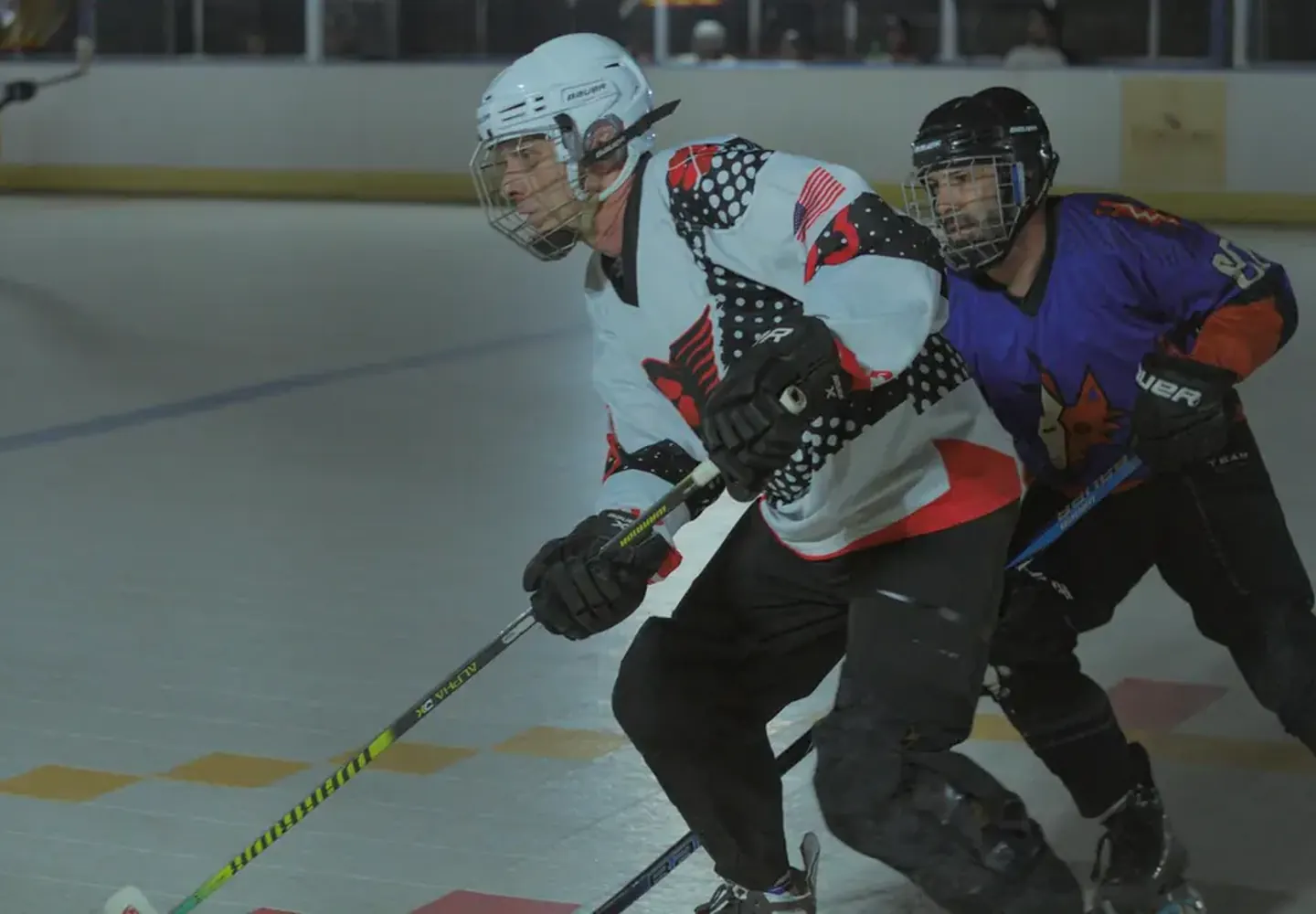
Symptoms: The Flames get trapped in their own end for extended shifts. Defensemen and forwards are not on the same page, leading to errant passes that are intercepted or icing calls. The puck is often rimmed around the boards hope-style, directly to an opposing defenseman. This leads to sustained pressure, exhaustion, and ultimately, high-danger scoring chances against.
Causes: This is a systemic and communication issue. Forwards are not providing clear, supportive options for defensemen under pressure. There might be a lack of defined breakout structures, leaving players to improvise. Strong forechecking teams in the Pacific Division have exploited this, knowing pressure will force turnovers.
Solution:
- Establish Clear Support Lanes: Forwards must work in tandem. One low forward supports behind the net, while the high forward presents an option in the middle. This gives the defenseman multiple, safe outlets.
- Use the Middle of the Ice: The safest pass is often the one up the middle, away from the punishing boards. It requires confidence and crisp passing, but it breaks pressure effectively. A player like Huberdeau, stationed on the half-wall, can be a key receiver for this play.
- Trust the Goaltender: Jacob Markström is excellent at playing the puck. Use him as a third defenseman to stop dump-ins and initiate the breakout, bypassing the forecheck entirely.
Problem: Inability to Hold a Lead
Symptoms: The Flames secure a one or two-goal lead, then immediately shift into a passive, defensive shell. They stop attacking, concede the neutral zone, and invite wave after wave of pressure. This "prevent defense" approach usually prevents only a win, as the opponent eventually breaks through and ties or wins the game.
Causes: This is primarily a psychological and tactical issue. The mindset shifts from "how do we score next?" to "how do we not lose?" Tactically, they may collapse too low in the defensive zone, giving up the points and allowing the opponent to set up. It shows a lack of killer instinct and confidence in their system to play the same way with a lead.
Solution:
- Adopt a "Next Goal" Mentality: The coaching staff must instill the idea that the next goal is the most important, regardless of the score. Playing to score the next goal keeps the team on its toes and playing proactively.
- Maintain the Forecheck: The best defense with a lead is a strong offense in the opponent's end. Keep one or two forwards applying pressure deep to force turnovers and disrupt the other team's rhythm. Don’t gift them free zone entries.
- Smart, Not Soft: Playing with a lead doesn’t mean taking no risks; it means taking calculated risks. Make the safe, high-percentage play, but don’t blindly fire the puck out of your zone to the other team. Controlled exits are still the goal.
Problem: Top Line Being Neutralized
Symptoms: The Flames' designated top offensive line, often featuring Huberdeau and Kadri, is held off the scoresheet and generates few high-quality chances. They spend more time defending than attacking, and their offensive-zone shifts are short and unproductive.
Causes: Opposing coaches deploy their best defensive forwards and shutdown defensive pairings against this line. They take away time and space, play physically, and exploit any frustration. If the line tries to force pretty plays through traffic instead of working for simpler chances, they become easy to defend.
Solution:
- Embrace the Mismatch: If the other team is dedicating its best defenders to one line, it creates opportunities elsewhere. Ryan Huska can use this to his advantage by getting his secondary scoring lines, potentially boosted by young energy from our top prospects, out against weaker competition.
- Change the Look In-Game: Don’t wait until the third period. If the top line is struggling through 30 minutes, shuffle the wingers. Adding a different type of player—someone with more straight-line speed or net-front grit—can change the dynamic and force the opposition to adjust.
- Win the Physical Battle: Shutdown strategies often rely on physicality. The response must be to meet it, win puck battles along the walls, and get to the net. Creating goals from rebounds and deflections is how you beat a tight-checking scheme.
Problem: Slow Starts on Home Ice
Symptoms: In the friendly confines of the Scotiabank Saddledome, the Flames sometimes come out flat, lacking the energy expected from a home team. They fall behind early, quieting the C of Red and giving the visiting team immediate confidence.
Causes: This can be a focus issue or the pressure of playing in front of expectant fans. Sometimes, routines can become too relaxed at home. It can also be a failure to match the elevated desperation that many road teams bring to open a game.
Solution:
- Harness the Home Crowd from Puck Drop: The first shift is critical. Send out a line known for its energy and physicality—a line that will deliver a big hit, win a battle, and get a shot on goal within the first 30 seconds. This immediately engages the crowd and sets a tone.
- Ritualize the Preparation: The home routine should be just as deliberate and focused as the road routine. The message should be that playing at the Saddledome is a privilege that requires an immediate, tangible response.
- Simplify the First Five Minutes: The game plan for the opening shifts should be incredibly simple: get pucks deep, forecheck hard, and put the opponent on their heels. Don’t try for the highlight-reel play; try to win every single individual battle.
Prevention Tips: Building Adjustment "Muscle Memory"
The best way to handle in-game problems is to prevent them from becoming habits. Here’s how the Flames can build that capacity:
Video, Video, Video: Consistent, focused video sessions are key. It’s not just about correcting mistakes, but about studying opponents' adjustment patterns. What does Team X do after a TV timeout when they’re down? How does Team Y adjust their forecheck after a goal against? Proactive study makes in-game recognition faster. Practice Scenarios: Don’t just practice systems. Practice adjustments. Spend practice time simulating a game where the team is down by two in the third, or protecting a one-goal lead with five minutes left. Drill the specific behaviors needed in those moments. * Empower On-Ice Leadership: While Ryan Huska makes the macro adjustments, the leaders on the ice—the captains and alternates—need to make micro-adjustments. They should be empowered to call for a line change, switch defensive assignments, or calm the pace during a chaotic moment. This shared responsibility is crucial.
When to Seek Professional Help
In the context of our Calgary Flames season analysis, there’s a point where recurring in-game issues point to larger structural concerns. If these problems persist despite apparent adjustments, it may indicate:
- A Roster Construction Issue: If the team consistently lacks the speed to counter forechecks or the finish on the power play, that falls to GM Conroy. The solutions may need to come from outside the current roster, via trade or calling up players who better fit the required style.
- A Systemic Philosophy Problem: If the players seem confused or unable to execute adjustments, it may be a disconnect between the coaching staff’s messaging and the players’ understanding or capability. This requires internal, high-level evaluation.
- A Persistent Mental Hurdle: Issues like chronic slow starts or an inability to hold leads can become a psychological burden. This is where sports psychologists and veteran leadership become invaluable to break the cycle.
Reader Comments (0)