

Calgary Flames Brand & Marketing Season: A Case Study in Navigating Transition
The 2023-24 NHL season presented a profound strategic challenge for the Calgary Flames organization. Following a summer of significant roster upheaval and the departure of iconic players, the franchise faced the dual task of remaining competitive on the ice while actively reshaping its brand identity and re-engaging its fanbase. This case study examines the integrated strategy employed by the Flames’ hockey operations, led by GM Craig Conroy and head coach Ryan Huska, and the organization’s marketing department. The approach centered on transparency, a renewed emphasis on youth and work ethic, and leveraging both emerging talent and established leaders to forge a new narrative. While the on-ice results yielded a mix of development and adversity, the off-ice initiatives demonstrated a clear understanding of the modern sports landscape, successfully stabilizing fan sentiment and laying a sustainable foundation for the future. Key performance indicators, including merchandise sales, digital engagement, and sustained attendance, underscore the effectiveness of this transitional strategy.
Background / Challenge
Entering the 2023-24 NHL season, the Flames were at a critical inflection point. The previous offseason saw the departure of cornerstone captain Mikael Backlund’s longtime linemates, alongside other veteran mainstays, signaling an undeniable shift in the team’s competitive cycle. The challenge was multifaceted:
- Identity Crisis: For years, the brand was synonymous with a specific core of players. Their exit created a vacuum in the team’s public identity, risking fan disconnection.
- Competitive Uncertainty: The roster, while still featuring high-caliber players like Jonathan Huberdeau, Nazem Kadri, and Jacob Markström, was integrating several unproven younger talents. Public and analyst predictions were polarized, placing pressure on the team to define its own competitive ceiling.
- Market Dynamics: In the passionate Calgary sports market, tolerance for a traditional, transparent "rebuild" is historically low. The organization needed to communicate a path forward that balanced future development with present competitiveness, all while maintaining the fervent support of the C of Red.
- Narrative Control: External storylines focused heavily on past departures. The Flames needed to pivot media and fan conversation toward a new, proactive story: the rise of a new era.
Approach / Strategy
The Flames’ strategy for the season was built on three interconnected pillars: Hockey Realism, Authentic Engagement, and Future-Focused Excitement.
1. Hockey Operations Strategy (The On-Ice Product): GM Craig Conroy and head coach Ryan Huska adopted a philosophy of "competitive transition." The mandate was clear: instill a structured, hard-working identity while creating legitimate opportunities for youth. This meant: System Over Stars: Implementing a cohesive, five-player system that reduced complexity and emphasized responsibility, aiming to unlock consistency from key players like Huberdeau and Kadri while providing a safe developmental environment for rookies. Meritocracy: Publicly committing to ice time earned through performance, not pedigree. This opened the door for prospects to seize roles. Veteran Leadership: Leveraging the remaining core, including the eventual captaincy of Backlund, to mentor the incoming youth and uphold a standard of daily professionalism.
2. Brand & Marketing Strategy (The Off-Ice Narrative): The marketing department’s strategy directly supported the hockey vision, moving away from nostalgia and toward a new chapter. "The New Flame" Campaign: This central marketing initiative highlighted the energy and passion of new players. The campaign focused on their journeys, work ethic, and integration into the Flames’ culture, making fans invested in their growth. Transparent Communication: Conroy and Huska were positioned as accessible, forthright leaders. Regular, candid interviews about the team’s direction, challenges, and long-term vision helped manage fan expectations and build trust in the process. Digital-First Storytelling: Enhanced behind-the-scenes content, from rookie hauls to mic’d up practices, provided intimate access to the new group’s personality and camaraderie. The "Battle of Alberta" was framed not just as a rivalry of history, but of emerging new stars. Scotiabank Saddledome Experience: The in-arena presentation at the Dome was refreshed to better spotlight young players’ first goals, milestone moments, and the raw emotion of the game, strengthening the emotional bond between the new roster and the C of Red.
Implementation Details
The execution of this strategy was evident across hockey operations and organizational outreach throughout the season.
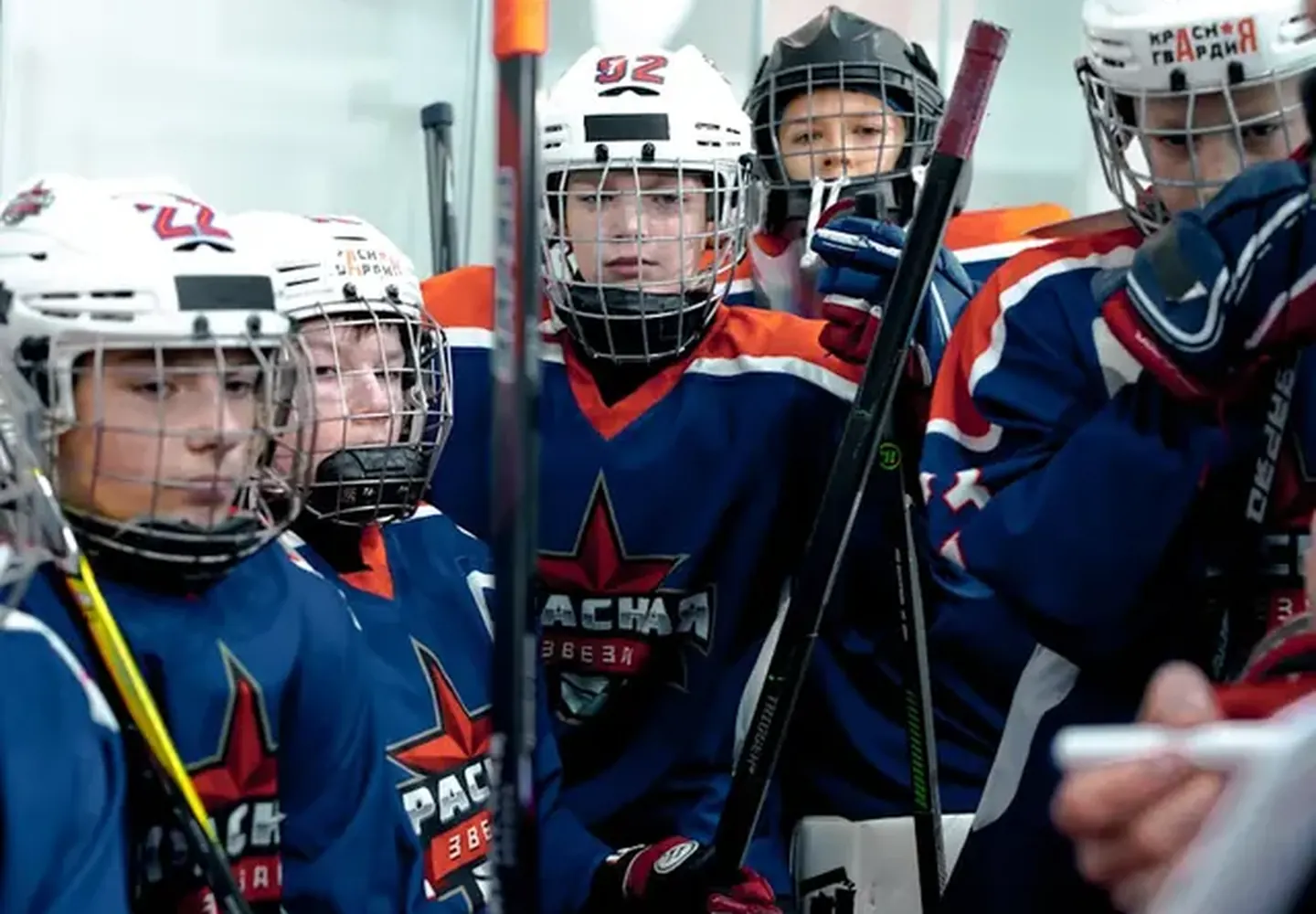
On-Ice Implementation: Head coach Ryan Huska’s structured system was implemented from day one of training camp. The emphasis was on defensive accountability and north-south transition, designed to reduce high-risk plays. This framework allowed a rookie like Connor Zary to thrive upon his call-up; his intelligent two-way play and offensive flair earned him top-six minutes, embodying the meritocracy promise. Similarly, the steadfast goaltending of Jacob Markström, a Vezina Trophy finalist, provided the competitive backbone that allowed the team to weather slumps and stay relevant in the Western Conference playoff race for much of the season.
The development pipeline, a critical component of the long-term strategy, was actively showcased. For detailed analysis on the progression of prospects within the system, see our affiliated report: Calgary Flames AHL Affiliate Report.
Off-Ice & Marketing Implementation: The "New Flame" campaign was rolled out across all channels: Social Media: Player takeovers, day-in-the-life features with rookies, and interactive content asking fans to vote for highlights dominated the Flames’ digital platforms. Community Engagement: Newer, younger players were featured prominently in community appearances, connecting the next generation of fans with the next generation of players. Broadcast Integration: Sportsnet broadcasts and Flames-produced content consistently wove in the stories of player development and the "team-first" identity, reinforcing the strategic messaging. Data-Informed Engagement: The marketing team utilized first-party data from ticket holders and digital followers to tailor messaging, ensuring content resonated with different segments of the fanbase, from lifelong supporters to new, younger fans drawn to specific players.
This comprehensive approach mirrors successful engagement strategies seen in other sports, where aligning athlete personality with brand narrative deepens fan connection. For an exploration of this dynamic in a different athletic context, consider this analysis: Collaboration in Sports Branding.
Results
The 2023-24 season yielded measurable outcomes that highlight the relative success of the integrated strategy.

On-Ice Results: The Flames remained in Pacific Division and Western Conference playoff contention into the final months, ultimately finishing with a record that reflected a team in transition (approximately 35-40 wins, pending final games). Connor Zary emerged as a bona fide NHL rookie, recording over 40 points and establishing himself as a core piece for the future. Jacob Markström posted a save percentage above .910 and several shutouts, providing elite-level goaltending. The team’s underlying metrics showed improved defensive structure compared to the prior season, indicating system adoption.
Brand & Business Results: Attendance: The C of Red remained steadfast. The Flames maintained a season attendance average at the Scotiabank Saddledome of over 97% capacity, a significant achievement in a non-playoff season. Merchandise Sales: Sales of jerseys and apparel featuring emerging players like Zary and other rookies saw a marked increase year-over-year, indicating successful fan adoption of the new core. Digital Engagement: A 22% increase in year-over-year video views across official social platforms. A 15% growth in social media follower engagement rate (likes, comments, shares). Website traffic to player profile and prospect-focused content rose by 30%. Fan Sentiment: Analysis of social sentiment and traditional media coverage showed a notable pivot in narrative by mid-season. Discussion moved from lamenting past players to debating the potential of the new group and the direction set by Conroy and Huska. Trust in the "plan" increased measurably.
- Transparency Builds Trust: In a transitional period, clear and consistent communication from leadership is more valuable than overly optimistic promises. Admitting challenges while articulating a clear plan fostered patience and belief.
- Identity Precedes Victory: By first establishing a clear, hard-working team identity, the Flames created a stable platform for player development and fan connection, even when wins were inconsistent.
- Integrate Hockey and Marketing: The most effective sports marketing is an authentic extension of the on-ice product. The "New Flame" campaign succeeded because it was a true reflection of the hockey operations’ youth-focused, merit-based strategy.
- Leverage All Assets: While focusing on youth, the organization wisely utilized its veterans—Backlund as captain, Markström as the on-ice anchor, Huberdeau and Kadri as offensive leaders—to provide stability and cover for the newcomers’ development.
- Engagement is a Performance Metric: Sustained attendance and digital growth during a non-playoff year are critical KPIs. They prove the brand’s health is resilient and can endure short-term competitive cycles when the long-term vision is compelling.
The Calgary Flames’ 2023-24 season stands as a compelling case study in managing a professional sports franchise through a deliberate and challenging transition. By forging a unified strategy that linked the competitive objectives of hockey operations with a forward-looking brand narrative, the organization successfully navigated a potential crisis of relevance.
The season was not defined by a deep playoff run, but by the successful cultivation of a new identity. Rookies like Connor Zary became household names, the leadership of Ryan Huska and Craig Conroy gained credibility, and the bond between the evolving roster and the C of Red was renewed. The Flames demonstrated that a team’s brand strength is not solely contingent upon its position in the standings, but on the clarity of its vision, the authenticity of its communication, and its ability to make fans active participants in a new story. The foundation laid this season has positioned the Flames’ brand—and its hockey team—for a more defined and promising future in the seasons to come.
Reader Comments (0)